Tennis Court Resurfacing: When It’s Time and What Options Are Available
For court-building experts, resurfacing is both a science and an art, blending technical precision with aesthetic appeal.

For court-building experts, resurfacing is both a science and an art, blending technical precision with aesthetic appeal.

Whether for casual rallies, serious practice, or family fun, creating a tennis court in the backyard transforms outdoor space into a hub of activity.

The captivating world of tennis draws new players from around the globe every year.
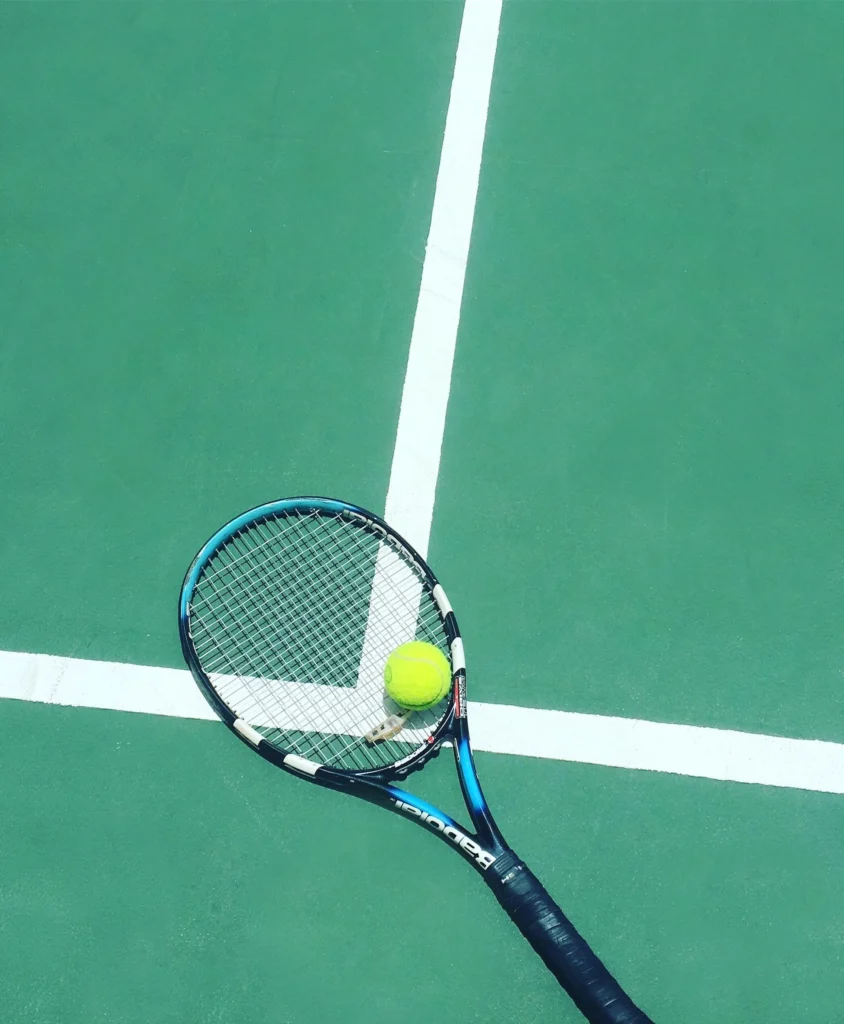
Every tennis player, whether a beginner or a pro, needs the right tennis racket to ensure their game is on-point and they get the perfect combination of control, spin, and power.
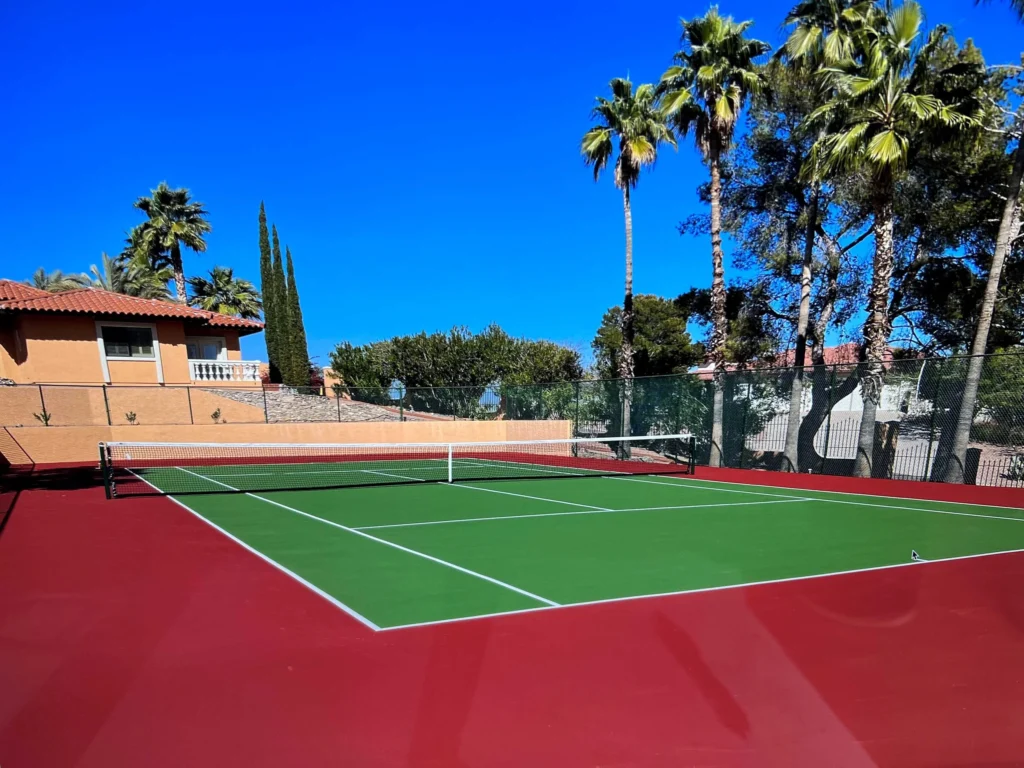
There are two main types of surfaces used in tennis courts: concrete and clay.
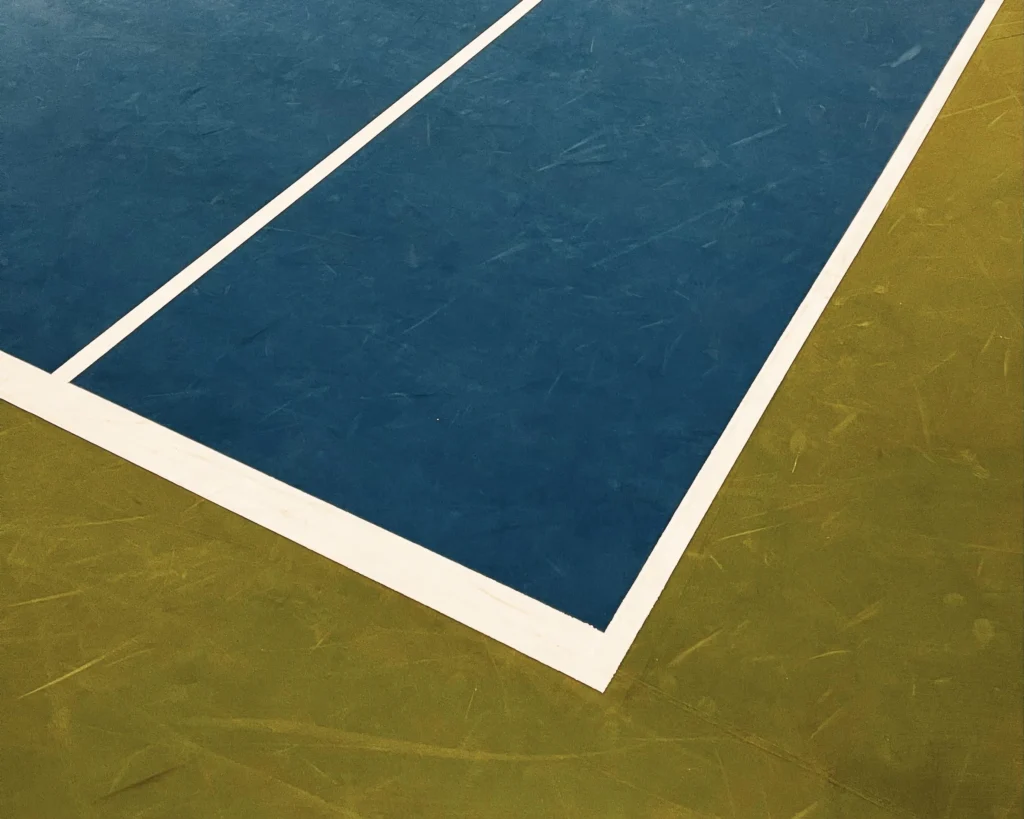
Constructing a tennis court requires a significant investment. Routine tennis court maintenance is essential to protect the investment and ensure an even, safe, and lasting surface for a more enjoyable playing experience.
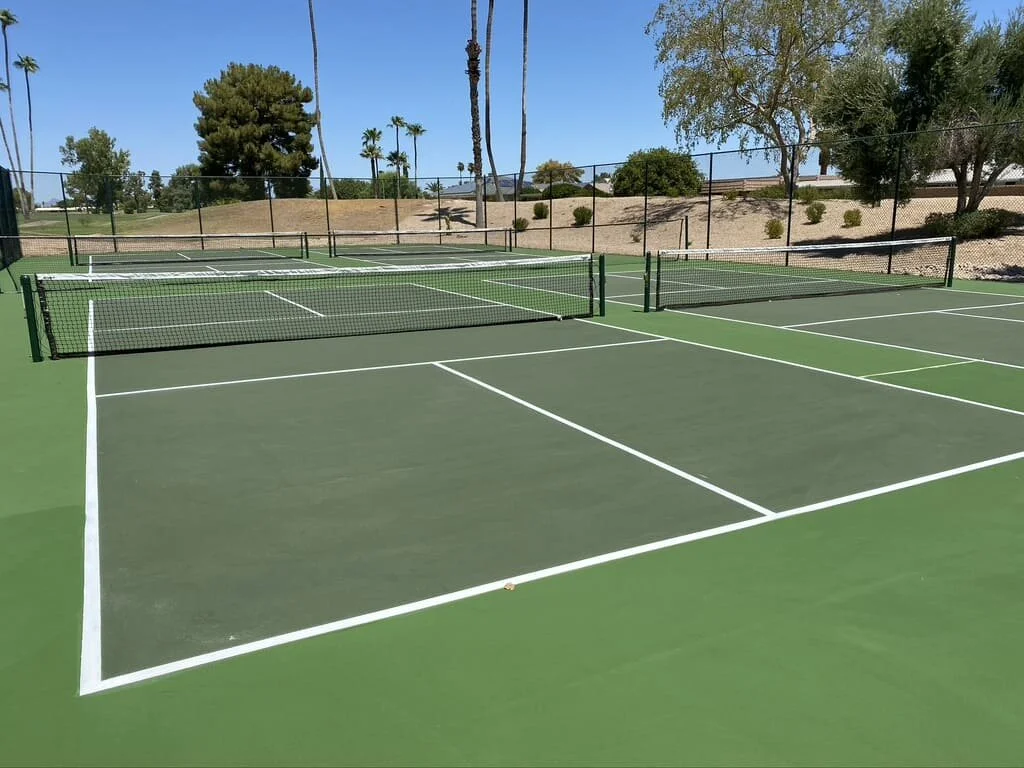
It’s essential to keep a tennis court well-maintained. Resurfacing or repairing the court is the best way to keep it in perfect condition. However, in some cases, the only solution is to replace it. This article will discuss these three tennis court options and their effectiveness in keeping courts
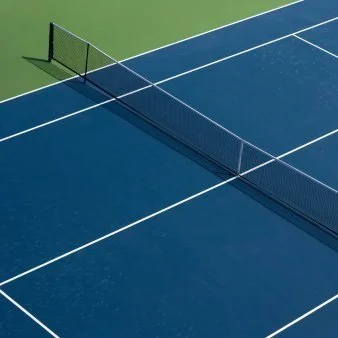
Well-maintained tennis courts attract more players thanks to their smooth, even surface. But over time, the surface can wear out and develop cracks, making play impossible.
In this era of quarantines, tennis is perhaps the best social distancing sport out there. Not only that, but playing tennis regularly is excellent for maintaining your overall health, fitness, and strength.

Deciding on a family activity is not always the easiest of tasks. Everyone has their preferences for sporting activities.