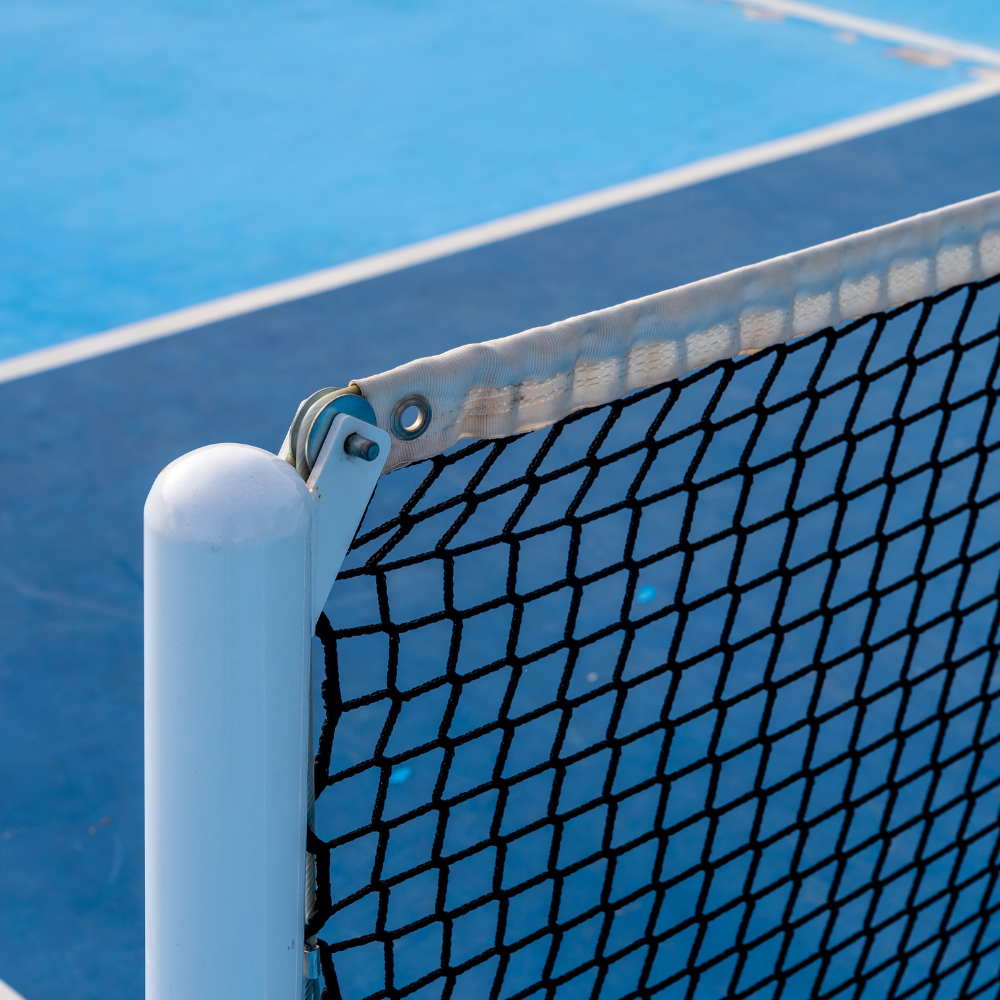
The Evolution of Court Building: Past, Present and Future Trends
The future of athletic court construction holds promises of smart technology integration, sustainable practices, and personalized experiences.

The future of athletic court construction holds promises of smart technology integration, sustainable practices, and personalized experiences.
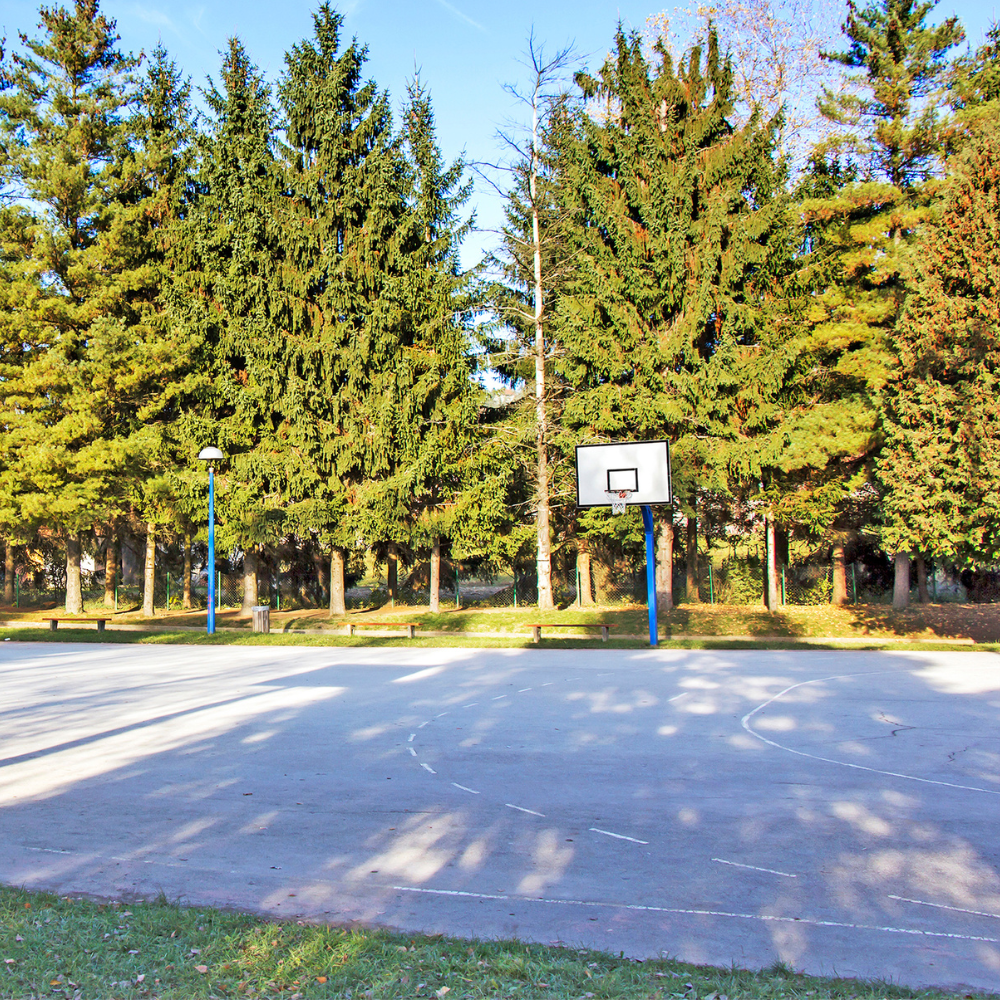
Whether someone is constructing a basketball court, tennis court, or any other type of sports surface, choosing the right materials is crucial.

From site conditions to environmental considerations, the right location sets the stage for a successful outdoor court project.
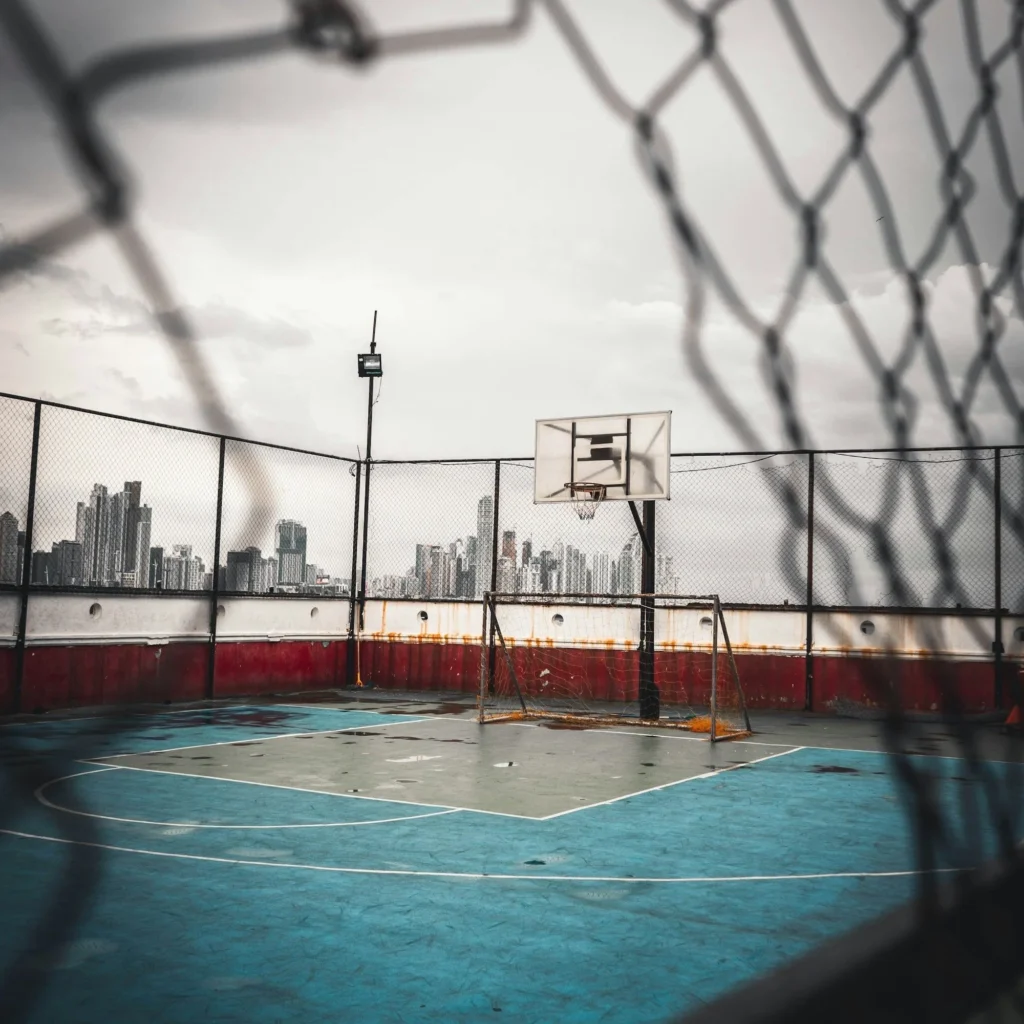
From the materials used to the energy consumed during the building process, court construction has the potential to affect the surrounding environment.
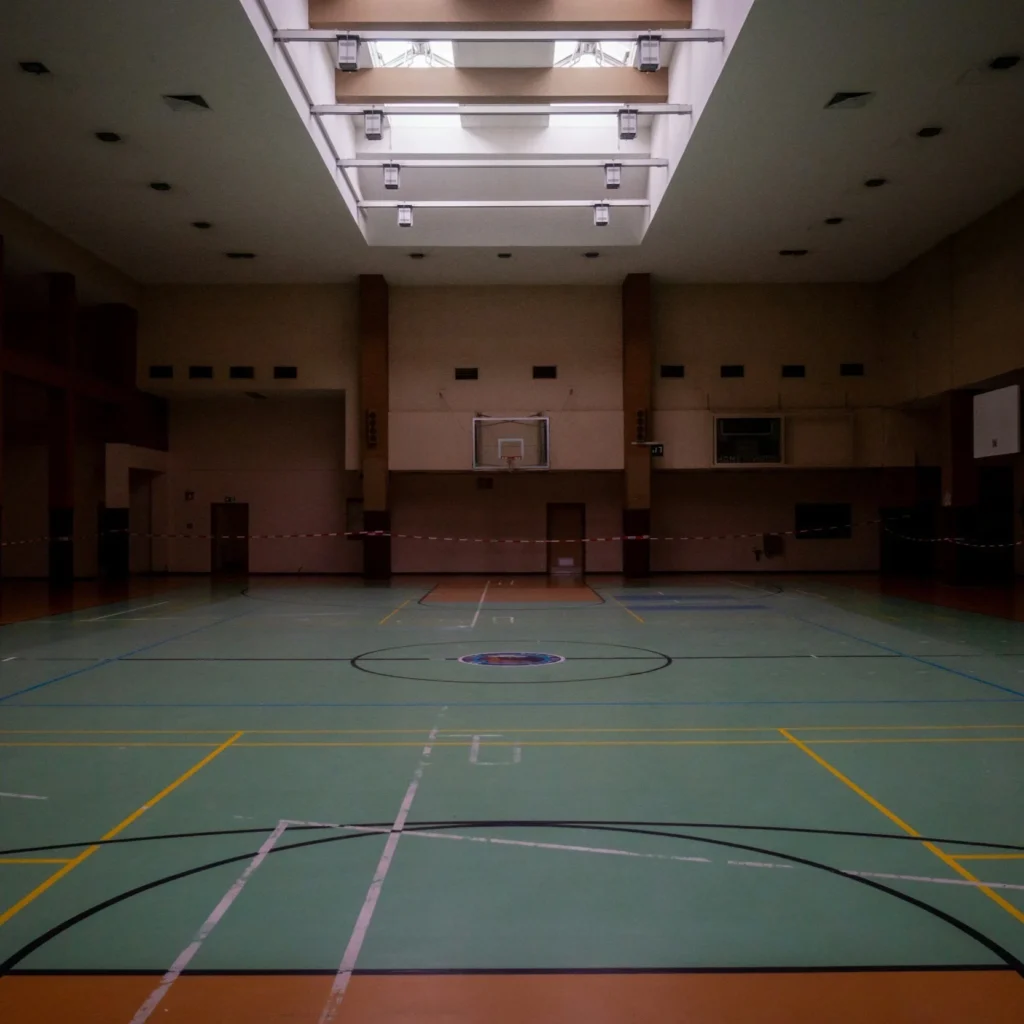
Building an athletic court demands meticulous planning, attention to detail, and adherence to specific guidelines to ensure optimal performance, safety, and longevity.

Whether it’s a basketball court, tennis court, or soccer field, the quality of the court significantly impacts the overall experience for athletes and spectators alike.
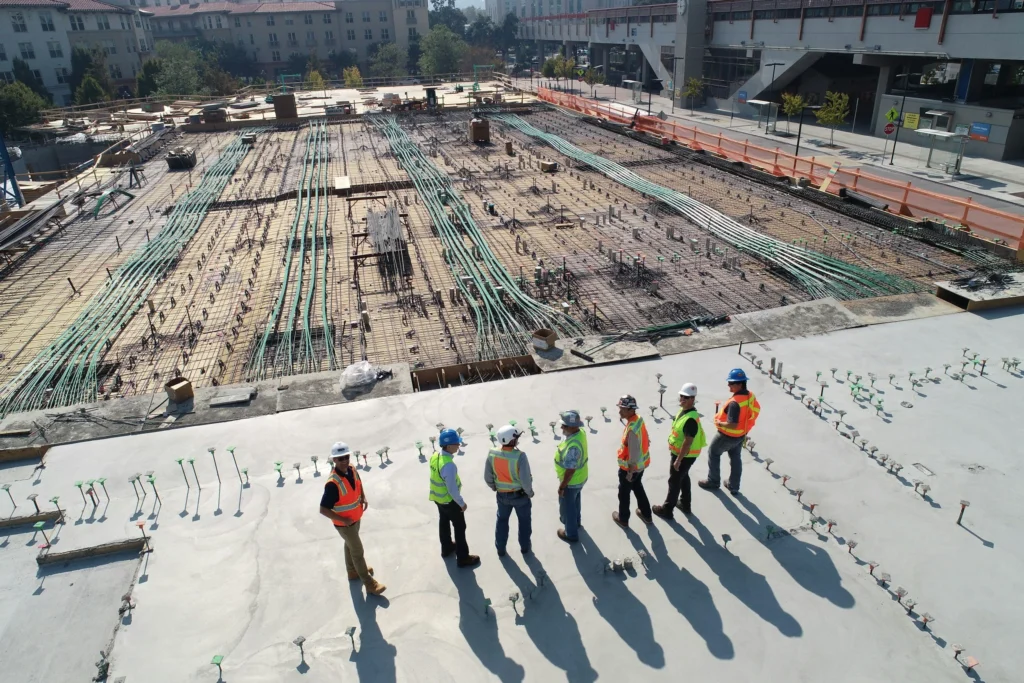
Modern court design prioritizes player safety with shock absorption systems to minimize injury risks. Cushioned acrylic and modular tiles with built-in shock absorption allow for extended play with less physical strain.

Proper drainage is crucial for athletic courts to prevent water accumulation, ensure a dry and safe playing surface, and reduce the risk of accidents and injuries.
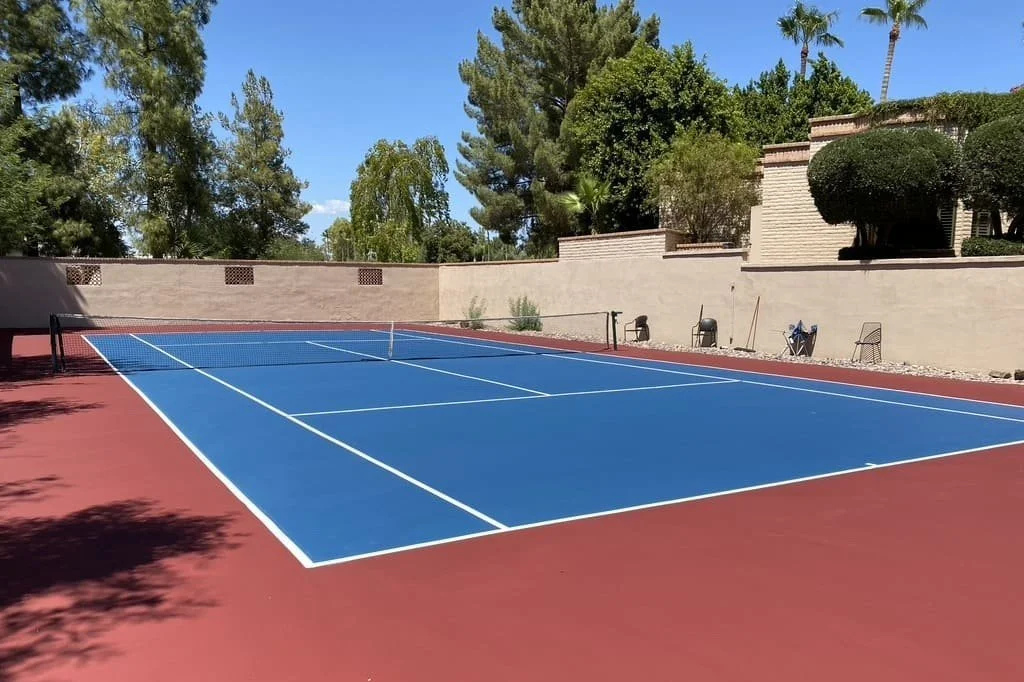
Regular maintenance, such as surface cleaning, resurfacing, and line repainting, is essential to ensure optimal performance and longevity of the court. Athletic court builders can also address any damage or issues to minimize downtime and maximize the court’s availability for athletes.
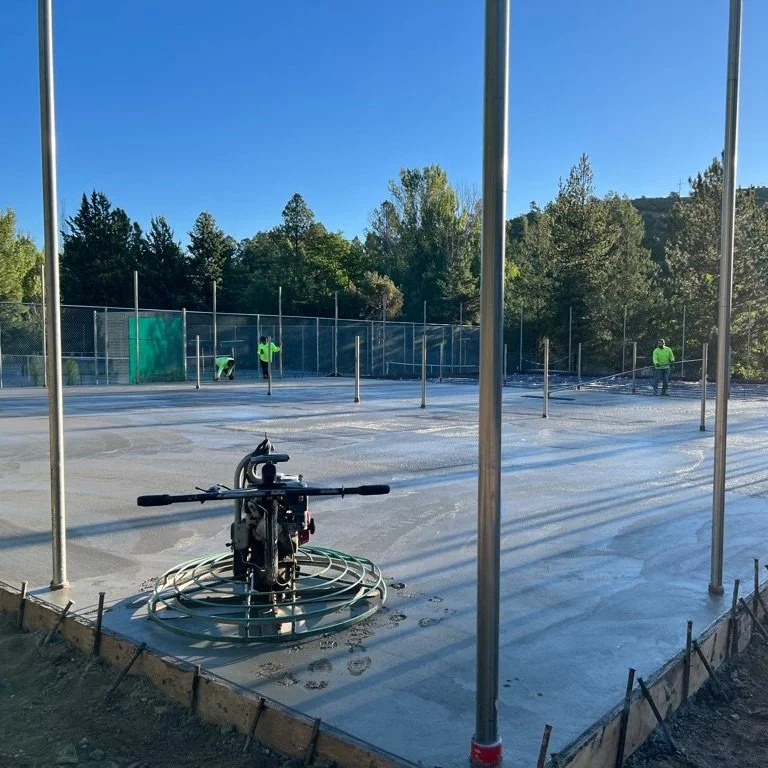
Clay court flooring, typically composed of crushed stones and minerals, offers a slower bounce rate ideal for tennis, granting players more reaction time and reducing impact