
Why Quality Surfacing Matters in High-Traffic School Play Areas
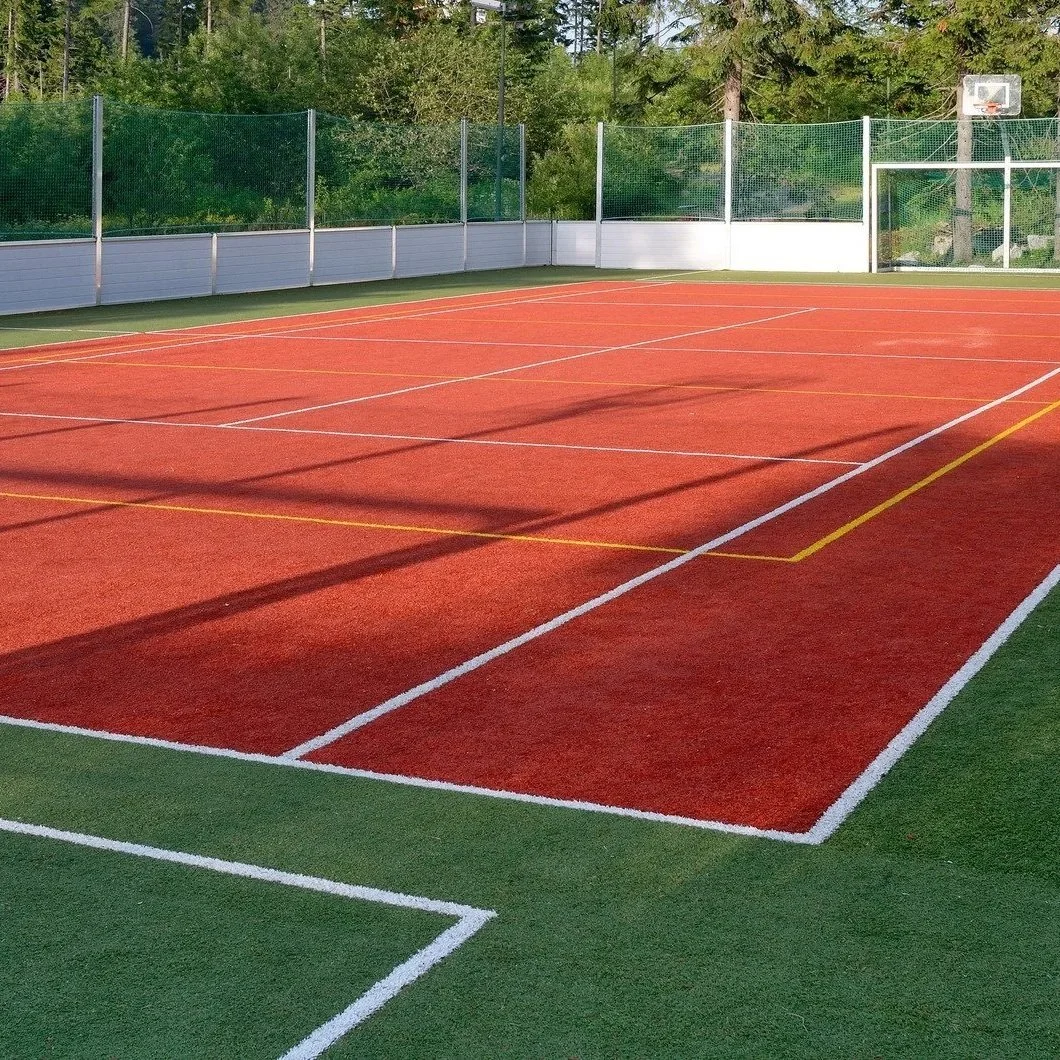
Quality surfacing isn't just about aesthetics; it's about longevity, safety, and the overall experience of the students using the space.
When designing playgrounds for schools, it's easy to focus on the play equipment—the swings, slides, and climbing structures that keep kids entertained. However, one of the most important aspects of any school play area is often overlooked: the surfacing. High-traffic play areas, where students are constantly running, jumping, and playing, require surfaces that can handle the wear while keeping children safe. Quality surfacing isn't just about aesthetics; it's about longevity, safety, and the overall experience of the students using the space.
Durability for High-Traffic Areas
Schools are bustling environments with constant movement throughout the day. From recess to physical education classes, the amount of foot traffic in the play areas is significant. Over time, the wrong type of surfacing can degrade, creating safety hazards such as exposed hard ground or uneven surfaces. High-quality surfacing materials are designed to withstand this heavy use without losing their integrity. Materials like poured-in-place rubber, synthetic turf, or rubber tiles are durable enough to handle the constant impact of running, jumping, and playing. Investing in quality surfacing means fewer repairs and replacements, saving money in the long run.
Safety Comes First
One of the primary reasons quality surfacing matters is safety. Accidents are bound to happen on the playground—kids are active and adventurous, after all. However, a quality surface can help prevent serious injuries. Surfaces like poured-in-place rubber or rubber tiles provide shock absorption that reduces the impact from falls, which can be particularly important in high-traffic areas where children are more likely to take tumbles. High-quality surfacing materials also create a smooth, even surface, minimizing tripping hazards caused by common holes or cracks in cheaper, less durable materials.
Comfort and Playability
Playgrounds are meant to be areas where children can have fun, but they also need to be comfortable. Poor-quality surfacing can become hot under the sun, leading to discomfort and even burns on bare feet. On the other hand, high-quality surfaces maintain a comfortable temperature throughout the day, allowing kids to enjoy playtime without worrying about scorching their feet. Rubberized surfaces, in particular, have excellent temperature control, staying cool even during the hottest summer months. Additionally, these surfaces provide cushioning, making it easier and more enjoyable for kids to engage in activities without worrying about rough or hard ground.
Aesthetic Appeal and Community Pride
A playground with well-maintained, high-quality surfacing not only looks better but also boosts school pride. Bright, clean surfaces can transform an ordinary play area into an inviting, vibrant space. Schools with well-kept playgrounds send a message that they care about the students' experiences and well-being. Parents, teachers, and visitors notice when an area is well cared for, and it fosters a sense of pride in the community. When the surfacing looks good and functions well, it creates a positive environment for both children and adults.
Sustainability and Long-Term Value
In today's world, sustainability is a pivotal factor when selecting materials for school facilities. Many high-quality surfacing options are made from recycled materials, offering an eco-friendly solution that helps reduce waste. Rubberized surfaces, for example, are often made from recycled tires, giving them a second life and keeping them out of landfills. By choosing sustainable surfacing, schools not only make a positive environmental impact but also save money in the long term by opting for durable materials that don't need constant replacement.
Maintenance and Longevity
When a school invests in quality surfacing, the long-term maintenance is often easier to manage. High-quality materials are designed to resist fading, wear, and damage from weather elements. This makes them far easier to maintain compared to lower-quality options that may require constant repairs or resurfacing. Schools with high-traffic play areas can focus on keeping the area clean and safe without constantly worrying about patching cracks or repairing damaged surfaces. This lower maintenance burden makes quality surfacing a cost-effective investment that saves school staff time and effort.
Compliance with Safety Standards
Schools are required to follow specific safety standards for playground equipment and surfacing. Quality surfacing options are designed to meet or exceed safety standards such as ASTM F1292, which provides guidelines for the impact attenuation (shock absorption) of surfaces in play areas. By choosing materials that comply with these standards, schools reduce their liability risk and help confirm their playgrounds are safe for all children, regardless of activity level or age. Non-compliant or low-quality surfacing materials might fail to meet these requirements, increasing the risk of accidents and legal issues.
Creating a Welcoming Space
A well-designed, well-maintained playground with high-quality surfacing is more than just a place to play; it's a welcoming space where children can gather, socialize, and develop their physical and social skills. Quality surfacing creates an environment where students feel comfortable and confident as they play. Whether they're playing a game of tag or practicing their basketball shots, the surface plays a substantial role in fostering a sense of security and enjoyment.
Conclusion
When designing a playground or play area, the importance of quality surfacing cannot be overstated. From durability and safety to comfort and sustainability, the right surfacing creates a positive experience for everyone involved. Schools with high-traffic play areas need materials that can withstand constant use while maintaining safety and playability. By choosing quality surfacing, schools make a lasting investment in their students' well-being, creating an environment where kids can play, learn, and grow with confidence.
Apex Court Builders offers resurfacing & repairs, track resurfacing, athletic concrete construction, and game court and industrial coatings services across Arizona. Our skills and experience help us deliver the highest quality courts. Residents in the region count on us to rejuvenate their existing courts for the best playing experience and prolong the court’s lifespan. Call us today.