
The Growing Demand for Pickleball Courts in Community Spaces
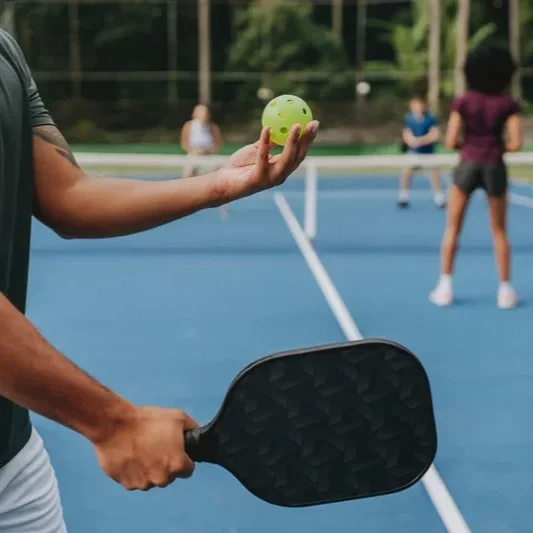
Pickleball courts are now a highly sought-after commodity, with communities everywhere scrambling to incorporate them into their existing spaces, alongside tennis and padel courts.
In recent years, pickleball has exploded in popularity, becoming the fastest-growing sport in America. What was once a niche pastime played primarily by retirees has turned into a full-blown movement. Local parks, gyms, and recreational facilities are beginning to recognize that their community spaces must evolve to meet the growing demand. Pickleball courts are now a highly sought-after commodity, with communities everywhere scrambling to incorporate them into their existing spaces, alongside tennis and padel courts. Why? Because pickleball isn't just fun, it's accessible, social, and, let's face it, a little addictive.
The Rise of Pickleball
Pickleball is a fusion of tennis, badminton, and ping-pong, and its rise has been meteoric. It's easy to learn, doesn't require as much running as tennis, and can be played by people of all ages. Whether you're a senior looking for a less intense workout or a young player looking to compete, pickleball offers something for everyone. In fact, the sport has experienced such rapid growth that cities and neighborhoods are taking note, realizing they need to offer courts designed explicitly for pickleball players to meet the demand.
As a result, tennis courts—once the go-to for most recreational spaces—are getting repurposed or revamped to accommodate both tennis and pickleball enthusiasts. It's not just about the sport's popularity; it's about creating accessible and inclusive spaces for a broader range of people.
Accessibility Drives Demand
Unlike tennis or padel, which may require more specialized equipment and extensive space, pickleball is a lower-barrier sport that's easy to jump into. The equipment is relatively inexpensive, and a full-size court is smaller than a traditional tennis court, allowing for multiple courts to be fitted into the same area. Many people can pick up a paddle and play, even if they haven't been athletes their entire lives.
That accessibility is one reason why pickleball has become so popular in community spaces. There's no age or skill requirement to have fun. Children, seniors, and everyone in between can enjoy the game and get a good workout, making it an ideal activity for communities seeking to cater to a diverse audience.
The Social Appeal
Pickleball is, by nature, a social game. The smaller court size means doubles play is more common, which fosters social interaction. There's something about the easygoing pace and fun nature of the game that encourages conversation and camaraderie. People from diverse backgrounds can come together, bond over the game, and form lasting friendships. It's no wonder that local pickleball leagues are sprouting up across the country, turning recreational play into a community event.
This social aspect adds even more fuel to the demand for courts. Local spaces are recognizing that offering pickleball isn't just about providing a recreational option; it's about creating a space where people can come together, meet new friends, and build connections. It's the perfect fit for community-centered environments, whether it's a park, community center, or an urban plaza.
An Investment in Health and Wellness
As pickleball's popularity grows, so does the recognition of its health benefits. The sport combines cardiovascular exercise with agility and balance training, making it an excellent option for overall fitness. Additionally, the relatively gentle impact on the joints, compared to tennis, makes it an excellent option for persons with physical limitations or those recovering from an injury. The rapid movement and quick reflexes involved in the game are perfect for improving hand-eye coordination and flexibility.
Communities have realized that adding pickleball courts is an investment in public health. By offering an easily accessible, low-impact exercise option, they are encouraging a more active population. It's not just about providing courts for sports—it's about fostering a culture of wellness that everyone can participate in, regardless of age or ability.
A Space for Everyone
While the demand for pickleball courts is undeniable, the key to long-term success is finding a balance between different sports in community spaces. Many communities are incorporating multi-purpose courts that allow for tennis, pickleball, and padel to coexist. These versatile spaces accommodate a variety of activities, appealing to players of all ages and skill levels.
This trend is leading to the creation of hybrid courts that can be quickly adapted for different sports. Tennis courts are often marked with additional lines to accommodate pickleball, and some courts feature removable nets or adjustable net heights to cater to different games. Not only does this maximize the utility of available space, but it also enables communities to meet the diverse needs of their populations without incurring significant costs. These multi-use courts are a great way to keep everyone happy, from pickleball players to tennis enthusiasts to padel fans.
Community Engagement and Economic Impact
The addition of pickleball courts to community spaces is also a win for local economies. They can attract tourists, promote local businesses, and even increase property values in surrounding areas. Cities and towns with top-notch recreational facilities become attractive destinations for individuals seeking to invest or relocate. Furthermore, hosting pickleball tournaments or events can attract visitors, generate revenue for the community, and further solidify the importance of these courts in promoting a healthy, active lifestyle.
Conclusion
The demand for pickleball courts in community spaces is here to stay. With its growing popularity, social appeal, accessibility, and health benefits, pickleball has carved out its place in the world of recreational sports. Communities that invest in well-designed pickleball courts—whether standalone or part of multi-purpose facilities—are not only responding to a trend but are making a long-term commitment to the health and happiness of their residents.
By offering a mix of pickleball, tennis, and padel courts, local spaces become hubs of activity and interaction. They provide opportunities for people of all ages and backgrounds to enjoy the benefits of sport, make new connections, and improve their physical well-being. The surge in demand is just the beginning—pickleball is reshaping the way we think about community spaces and active living. It's time to expand the number of courts, and with that, increase opportunities for everyone to play.
Apex Court Builders specialize in constructing new tennis courts, pickleball courts, basketball courts, bocce courts, and padel courts across Arizona. Ours is a family-owned and operated business, committed to designing and building world-class courts. We follow the industry best practices and deliver lasting results. Call today to request a free estimate.