
Designing Inclusive Playgrounds: Features That Make a Difference
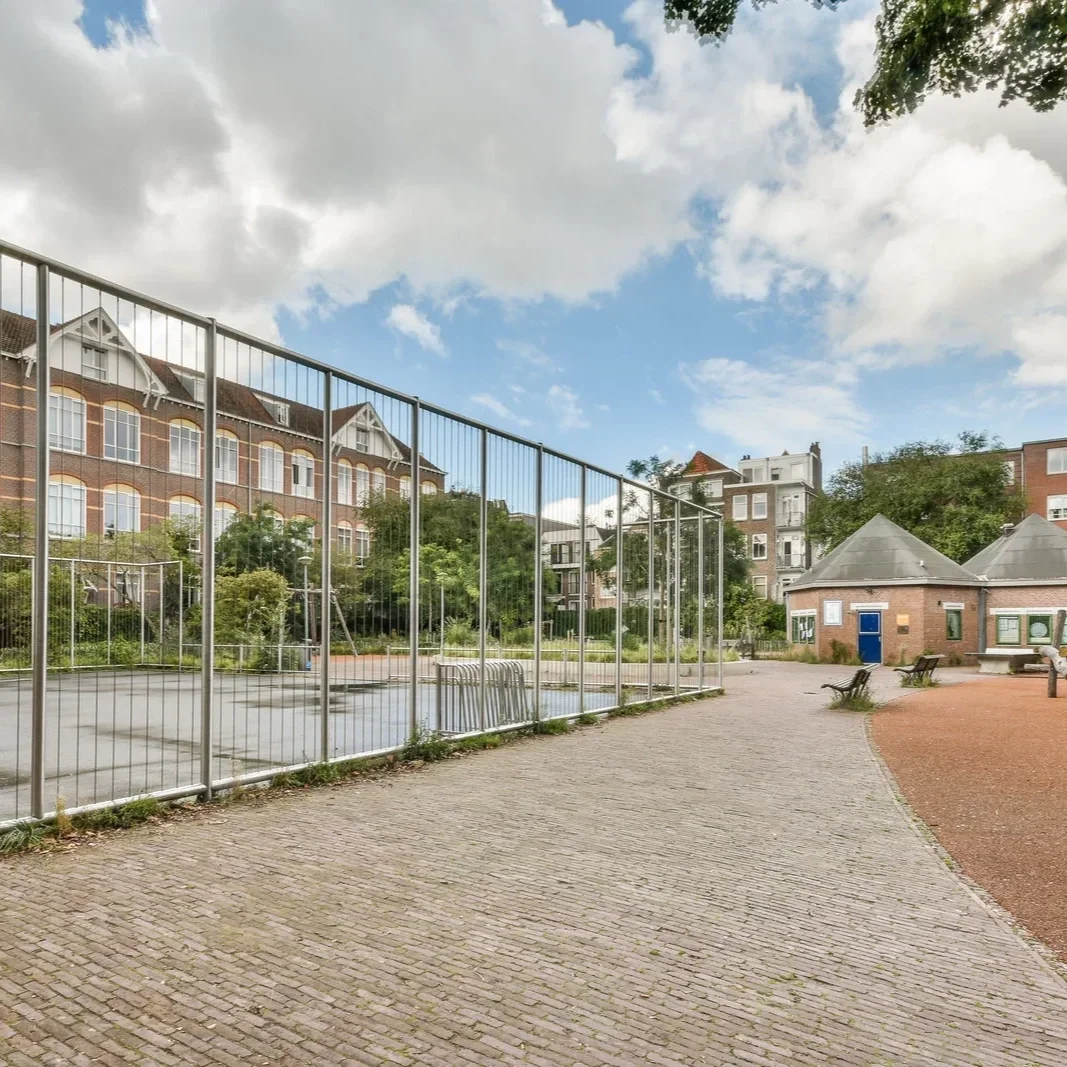
Building professionals play a vital role in shaping these spaces to be accessible and enjoyable for everyone.
Playgrounds should be spaces where every child feels welcome, safe, and excited to play. Designing inclusive playgrounds goes beyond meeting basic safety standards—it means creating environments that cater to children of all abilities, encouraging social interaction, physical activity, and imaginative play. Building professionals play a vital role in shaping these spaces to be accessible and enjoyable for everyone.
Accessible Pathways And Surfaces
One of the fundamental aspects of an inclusive playground is accessibility. Pathways leading to and within the playground should be wide, smooth, and free of obstacles. Materials like rubberized surfaces, poured-in-place rubber, or synthetic turf provide stable, slip-resistant ground that accommodates wheelchairs, walkers, and strollers. These surfaces also reduce the risk of injury from falls, making them a practical choice for all children.
In addition to pathways, ramps with gentle slopes should be incorporated into play structures to allow children with mobility challenges to access elevated areas. Handrails and transfer platforms further support independence and safety.
Diverse Play Equipment For All Abilities
Inclusive playgrounds feature a variety of equipment that caters to different physical and sensory needs. Swings with high backs and harnesses, ground-level merry-go-rounds, and slides with transfer platforms provide opportunities for children with mobility impairments to fully participate in play.
Sensory-rich equipment, such as musical panels, textured surfaces, and interactive features, engages children with sensory processing differences. These elements stimulate hearing, touch, and sight, promoting exploration and creativity.
Social Play And Interaction Spaces
Encouraging social interaction is a key goal of inclusive playground design. Play areas should include spaces where children can gather, collaborate, and engage in group activities. Sandboxes, water play stations, and imaginative play structures, such as playhouses or themed zones, foster cooperative play and build friendships.
Seating areas integrated into the playground allow caregivers and children to rest, observe, and engage in conversation. Benches and picnic tables at various heights accommodate both children and adults, creating a welcoming environment for everyone.
Quiet Zones And Sensory Retreats
For children who may become overwhelmed by sensory stimulation, incorporating quiet zones or sensory retreats provides a necessary break from active play. These areas can include shaded spots with comfortable seating, small nooks with calming textures, or enclosed spaces that offer a sense of security.
Providing a balance between active and quiet play areas supports the needs of all children, guaranteeing that everyone can find a space where they feel comfortable and engaged.
Safety Features And Universal Design
Safety is a priority in playground design, and inclusive playgrounds incorporate universal design principles to design play spaces that are safe and accessible for everyone. Barrier-free layouts eliminate tripping hazards and provide clear sightlines for caregivers to easily supervise children.
Color contrasts on steps, handrails, and edges help children with visual impairments navigate the playground safely. Additionally, using materials that stay cool in the sun and provide cushioning helps create a more comfortable environment for all.
Incorporating Nature And Natural Elements
Natural elements add an enriching dimension to playgrounds, inviting children to explore and connect with their environment. Features like boulders, logs, water features, and gardens provide sensory experiences and encourage imaginative play.
Incorporating nature into playground design also promotes environmental awareness and offers children opportunities to learn about the natural world. Raised garden beds, butterfly gardens, and bird-watching stations can engage children of all abilities in hands-on learning.
Community Involvement In Playground Design
Involving the community in the playground design process helps make spaces that reflect the needs and desires of those who will use them. Consulting with parents, caregivers, educators, and children ensures that the playground meets a diverse range of needs and fosters a sense of ownership and pride within the community.
Feedback from individuals with disabilities and advocacy groups provides valuable insights into accessibility features and design considerations that may otherwise be overlooked. Collaborating with local organizations and stakeholders strengthens community ties and creates a playground that truly serves everyone.
The Lasting Impact Of Inclusive Playgrounds
Inclusive playgrounds are more than just places for children to play—they are spaces where friendships are formed, confidence is built, and communities come together. By designing playgrounds that welcome children of all abilities, building professionals contribute to a more inclusive, compassionate society.
The thoughtful integration of accessible pathways, diverse play equipment, sensory-friendly features, and community input creates playgrounds where every child can thrive. These spaces not only promote physical activity and social interaction but also foster a sense of belonging and joy that resonates far beyond the playground.
Final Thoughts On Designing Inclusive Playgrounds
Creating inclusive playgrounds is an opportunity to make a remarkable difference in the lives of children and their families. By prioritizing accessibility, diversity, and community involvement, building professionals help shape environments that celebrate the unique abilities of every child. The result is a playground where everyone feels welcome, valued, and inspired to play, learn, and grow together.
Design and build a variety of landscape structures, including playgrounds, shade structures, and safety surfacing across Arizona, with Apex Court Builders. We use cutting-edge equipment to deliver exceptional results. Our team has years of experience and always ensures clear and transparent communication. Call today to schedule an appointment.