
When Heat-Resistant Surfacing Becomes Essential for Outdoor Spaces
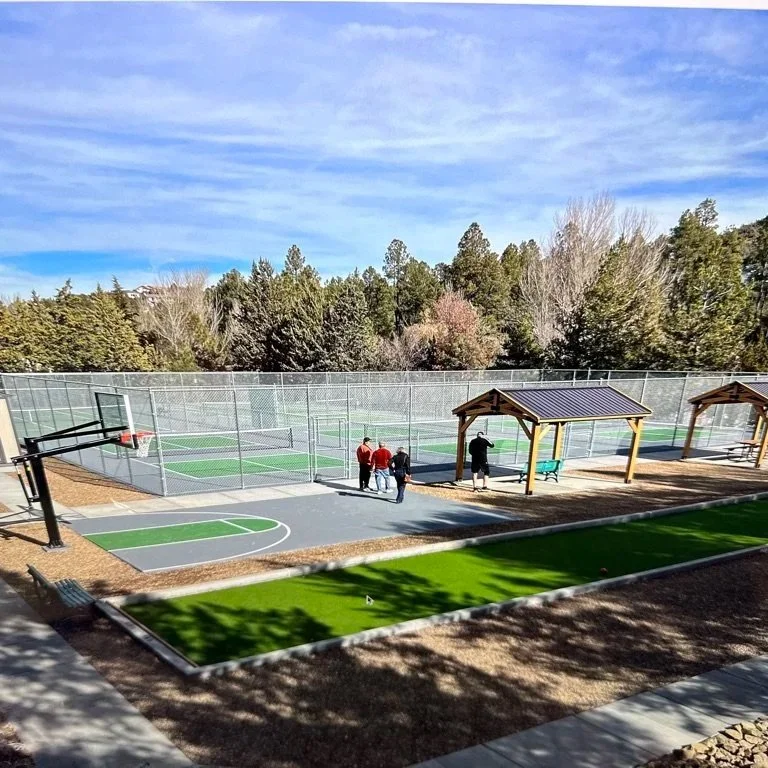
A heat-resistant surface offers protection from the searing temperatures, creating a safer and more comfortable environment.
When designing outdoor spaces, such as playgrounds, sports courts, or park pathways, safety and comfort are always top priorities. While factors like durability and drainage often take center stage in the planning process, heat resistance is a crucial element that can't be overlooked. As global temperatures continue to rise and sunny days become more intense, having the right surfacing for outdoor areas has never been more essential.
Heat resistance is significant for playgrounds, courts, and recreational areas where kids, athletes, and families spend a significant amount of time. When the surface temperature skyrockets under direct sunlight, it can become a hazard, especially for children with sensitive skin or those who are barefoot. A heat-resistant surface offers protection from the searing temperatures, creating a safer and more comfortable environment.
Safety and Comfort Under the Sun
Outdoor spaces are meant for enjoyment, but when the sun blazes down, surfaces like asphalt or concrete can become uncomfortably hot, sometimes reaching temperatures that could cause burns or discomfort to those in contact with them. Playgrounds are especially susceptible to this issue because children often play barefoot, making them vulnerable to extreme heat. Traditional hard surfaces can trap heat, amplifying the temperature of the surrounding area.
Heat-resistant surfacing, such as rubberized materials or certain synthetic turf options, can help combat these issues by reflecting sunlight or absorbing less heat. These surfaces stay cooler to the touch and are safer for all who use them. They provide a safer play area for kids, letting them enjoy outdoor activities without the risk of painful burns from walking or falling on a hot surface.
Prolonging the Life of Outdoor Spaces
Beyond safety and comfort, heat-resistant surfacing plays a substantial role in extending the life of outdoor spaces. High temperatures can cause certain materials to crack, fade, or degrade over time. Concrete, asphalt, and even some synthetic materials can be susceptible to heat damage, leading to costly repairs or replacements.
By choosing heat-resistant surfacing materials, such as high-quality rubber or porous synthetic options, the lifespan of outdoor areas can be dramatically improved. These materials resist fading, cracking, and warping caused by excessive heat exposure. They maintain their integrity over time, providing long-lasting value for both residential and public spaces.
Comfort for Athletes and Sports Enthusiasts
Heat-resistant surfacing also plays a critical role in sports courts, where performance and safety are paramount. Whether it's a tennis court, a pickleball court, or a basketball court, high temperatures can significantly impact the playability of the surface. A hot court not only makes playing uncomfortable but can also increase the risk of injury. Rubberized or specially treated surfaces absorb less heat, helping athletes remain focused on their game instead of the heat underfoot.
For those who play competitive sports or practice regularly, heat-resistant surfacing helps in maintaining the integrity of the playing conditions. It's especially important in climates where summers bring intense sun, as these surfaces will keep the game enjoyable and less taxing on athletes.
Reducing Maintenance Costs and Energy Use
Another benefit of heat-resistant surfacing is its potential to reduce maintenance costs. Surfaces that absorb less heat are less likely to degrade under harsh conditions, meaning they require fewer repairs or replacements. In addition to durability, heat-resistant materials often feature advanced drainage systems that keep water from pooling and promote faster drying after rainfall.
Beyond maintenance, heat-resistant surfaces also offer energy-saving benefits, mainly when used in larger outdoor public spaces, such as parks or playgrounds. As these areas stay cooler, there's less reliance on artificial cooling or shade systems. Incorporating shaded structures or cooler surfaces naturally reduces the need for extensive air conditioning or additional cooling systems in nearby buildings, ultimately lowering energy consumption and costs.
Creating Sustainable Outdoor Environments
Sustainability is another area where heat-resistant surfacing shines. Many heat-resistant materials are made from recycled components, such as recycled rubber or plastics, which helps reduce waste and promote eco-friendly practices. Choosing such materials supports sustainability goals and guarantees that outdoor spaces are not only functional but also environmentally responsible.
These materials help combat the urban heat island effect, a phenomenon where urban areas become significantly warmer than nearby rural areas due to human activities and infrastructure. By using heat-reflective and energy-efficient surfacing, cities can help mitigate heat islands and create more pleasant, livable environments for residents and visitors alike.
Enhancing Aesthetic Appeal
While functionality is crucial, aesthetics also play a large role in the design of outdoor spaces. Heat-resistant surfacing is available in a wide range of colors and textures, allowing for creative designs that complement the surrounding environment. Playgrounds and courts can be customized with bright, playful colors or more natural tones, depending on the desired effect.
With the right surfacing, outdoor areas can become inviting, visually appealing spaces that encourage people to spend time outside. Heat-resistant surfaces not only contribute to a safer play area but also enhance the overall appearance and atmosphere of the space.
The Role of Shade Structures in Enhancing Heat Protection
Though heat-resistant surfacing plays a vital role in managing high temperatures, it's often used in conjunction with shade structures for added protection. Shade structures can shield both the surfacing and its users from the sun, further improving comfort and safety. When combined, shaded areas and heat-resistant surfaces create an optimal environment for recreation and relaxation, even during the hottest months of the year.
Shade structures are an excellent addition to playgrounds, parks, or any outdoor recreational facility. They provide much-needed respite from the sun's harsh rays while helping keep surfaces cool, ensuring that people of all ages can enjoy their time outside comfortably.
Conclusion
Heat-resistant surfacing is no longer a luxury; it has become a necessity for any outdoor space designed for public use or residential enjoyment. Whether for playgrounds, sports courts, or park pathways, these surfaces create safer and more comfortable environments, helping to prevent burns, reduce maintenance, and extend the lifespan of the space. With the added benefits of reducing energy use and promoting sustainability, heat-resistant surfacing is a smart investment for any outdoor area. Combine it with shade structures for the ultimate in comfort, usability, and long-term value, and you'll have an outdoor space everyone can enjoy year-round.
Apex Court Builders offers resurfacing & repairs, track resurfacing, athletic concrete construction, and game court and industrial coatings services across Arizona. Our skills and experience help us deliver the highest quality courts. Residents in the region count on us to rejuvenate their existing courts for the best playing experience and prolong the court’s lifespan. Call us today.