
The Role of Safety Surfacing in HOA Playground Projects
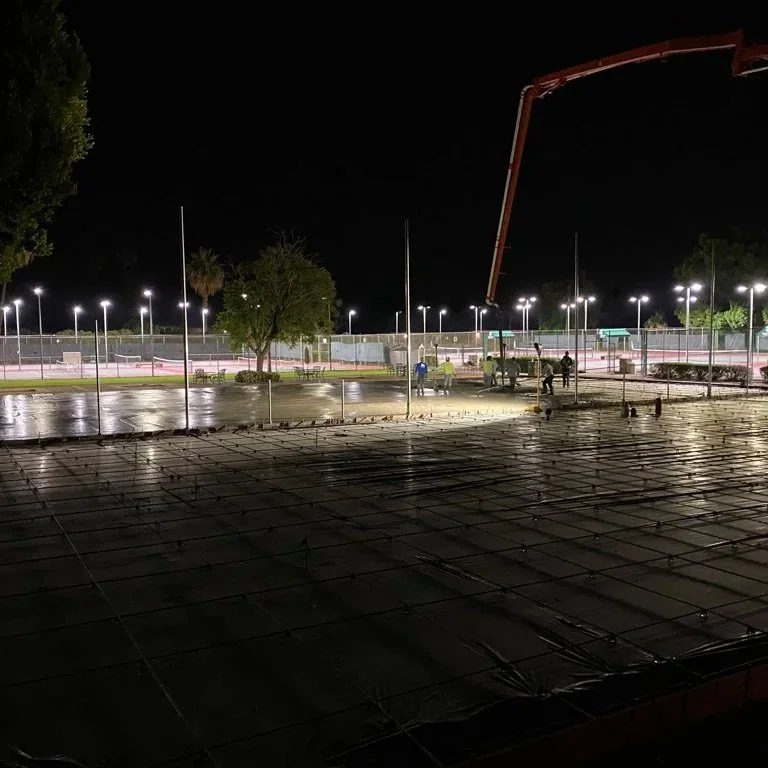
In the world of HOA playground projects, selecting the right safety surfacing can make all the difference between a fun, secure play area and a hazardous one.
When it comes to playgrounds, safety is a priority. Whether it's a community playground in a homeowner association (HOA) or a public park, the well-being of children using the space should always come first. One of the most important elements contributing to safety is the surfacing material used. Proper safety surfacing serves as a cushion against falls and minimizes the risk of injuries. In the world of HOA playground projects, selecting the right safety surfacing can make all the difference between a fun, secure play area and a hazardous one.
Creating a Secure Environment for Play
In any playground, falls are inevitable. Children are naturally curious and energetic, often testing their physical limits as they run, jump, and climb. Unfortunately, these activities can result in falls that, without the proper surface, could lead to serious injuries. Safety surfacing materials are designed to absorb the impact of falls and reduce the risk of severe harm, such as concussions or broken bones.
When it comes to an HOA playground, the community expects not only beautiful spaces but also well-maintained, safe environments for their children. By investing in high-quality safety surfacing, associations demonstrate their commitment to both the health of their residents and the longevity of the playground.
Types of Safety Surfacing for Playground Projects
There are several options available when it comes to playground surfacing materials, each offering different levels of impact protection and durability. Common choices for HOA playgrounds include poured-in-place rubber, rubber tiles, and engineered wood fiber.
Poured-in-place rubber is a seamless surface that is highly durable and can be altered to fit any playground design. It provides subpar shock absorption and can handle high foot traffic, making it an optimal choice for community playgrounds. Another popular option is rubber tiles, which are easy to install and replace if damaged. These tiles also provide solid protection and a comfortable play surface. Engineered wood fiber, though a more natural option, offers a softer landing and is often used in more rustic or nature-themed playgrounds. Each option has its benefits, and the right choice will depend on the specific needs and budget of the HOA project.
Longevity and Low Maintenance
One of the greatest benefits of high-quality safety surfacing is its durability. Unlike traditional grass or dirt playgrounds that become uneven or worn over time, safety surfacing materials are built to last. Surfaces like poured-in-place rubber and rubber tiles hold up well to constant use, weather changes, and heavy foot traffic. This means less time spent on repairs or resurfacing and more time for the community to enjoy the playground.
Maintenance costs are also significantly lower when safety surfacing is used. Grass or sand-based surfaces can quickly become uneven or eroded, requiring frequent touch-ups or replacements. In contrast, rubber surfacing materials require only occasional cleaning and re-top-ups to maintain optimal condition. For HOAs, this means less maintenance work and more value for money over the long term.
Compliance with Safety Standards
When designing a playground, there are specific safety standards that must be adhered to, particularly those outlined by the Consumer Product Safety Commission (CPSC) and ASTM International. These organizations set guidelines for the appropriate height of equipment, the spacing of structures, and the types of materials that can be used in the construction of playgrounds. Safety surfacing plays a critical role in helping HOA playgrounds meet these standards.
The safety guidelines for playground surfaces are designed to minimize injury risk by ensuring that materials used are shock-absorbent and have the appropriate thickness to cushion falls. For example, the CPSC recommends that a soft, shock-absorbing surface be installed underneath equipment where falls are likely to occur, such as under swings, slides, and climbing structures. Choosing the right safety surfacing material can help the HOA remain compliant with these regulations, preventing liability issues and verifying a safer play environment for children.
Aesthetic Appeal and Design Flexibility
While safety is paramount, the appearance of the playground is also essential. Well-chosen safety surfacing materials can enhance the overall aesthetic of the playground, blending seamlessly with the surrounding landscape and contributing to a more inviting atmosphere. Poured-in-place rubber surfaces, for instance, can be customized in a multitude of colors and designs, allowing for creative patterns and even the incorporation of logos or themes that tie into the community's identity. Rubber tiles are similarly versatile, available in different colors and sizes to suit specific design needs.
By offering design flexibility, safety surfacing can complement the visual elements of the playground and contribute to a space that residents enjoy using. Whether the goal is a sleek, modern look or a more natural, earthy vibe, there is a surfacing option that will meet both safety and aesthetic requirements.
Environmental Considerations
For many HOAs and community associations, being environmentally responsible is an important consideration when planning new projects. Many safety surfacing options are made from recycled materials, such as tires or other rubber products. For example, poured-in-place rubber is often crafted from 100% recycled content, helping to divert waste from landfills while creating a safe, functional play surface. Choosing environmentally friendly materials helps the community take a step toward sustainability without compromising safety or durability.
Additionally, some surfacing materials, like engineered wood fiber, are made from natural, renewable resources. While wood fiber surfaces require more maintenance than rubber, they can fit into environmentally conscious designs that seek to integrate more natural elements into the community.
Safety and Accessibility for All
A well-designed playground isn't just about providing fun for children; it should also be accessible for all members of the community, including those with disabilities. Safety surfacing can play an important role in making the playground more inclusive. For example, smooth rubber surfaces are wheelchair accessible, allowing children and adults with mobility challenges to navigate the area with ease. By considering the needs of all users, HOA playground projects can become more inclusive, welcoming spaces that offer a place for everyone to enjoy.
Long-Term Benefits for the HOA Community
Installing safety surfacing in a playground project is an investment in the future of the community. Not only does it create a safer and more enjoyable play space for children, but it also protects the HOA from potential liabilities. Communities that invest in high-quality safety surfaces demonstrate a commitment to their residents' well-being, which can lead to higher satisfaction and engagement.
By offering a safe, well-designed, and aesthetically pleasing playground, HOAs and community associations can increase property values, foster a greater sense of community, and provide a long-lasting amenity for current and future residents. Safety surfacing may seem like a small element in the grand scheme of a playground, but its impact on both safety and the overall experience cannot be overstated.
Conclusion
Safety surfacing is an essential element of any successful HOA playground project. From reducing the possibility of injury to increasing the durability and aesthetic appeal of the space, it offers a range of benefits that go beyond simple functionality. By investing in the right materials and adhering to safety standards, HOA playgrounds can become safer, more enjoyable environments where children and families thrive.
Design and build a variety of landscape structures, including playgrounds, shade structures, and safety surfacing across Arizona, with Apex Court Builders. We use cutting-edge equipment to deliver exceptional results. Our team has years of experience and always ensures clear and transparent communication. Call today to schedule an appointment.