
What Concrete and Acrylic Surfaces Mean for Basketball Court Durability
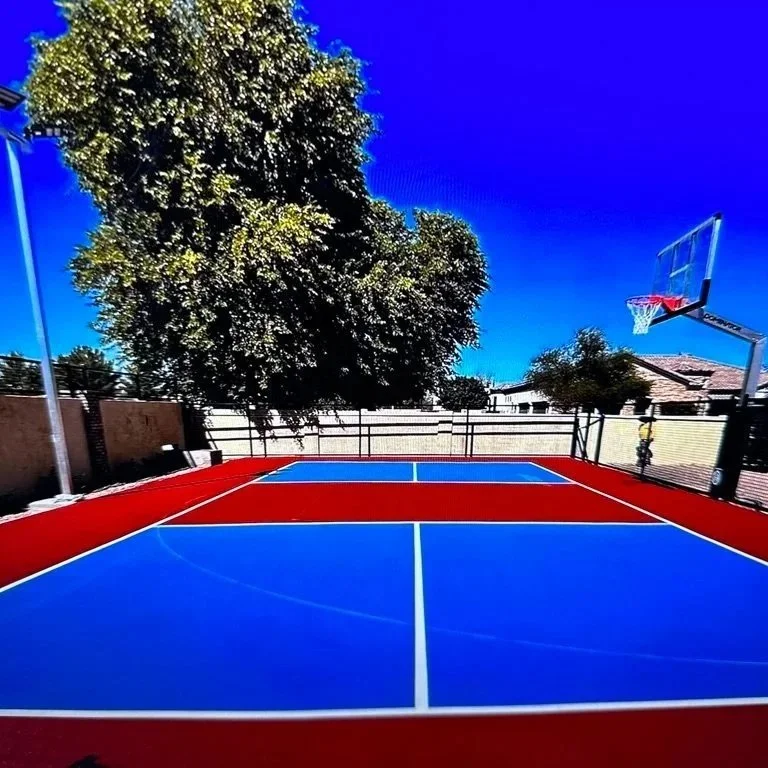
Whether you’re creating a community court, a school gym, or a professional-level facility, choosing the right material is crucial for longevity, maintenance, and overall usability.
When it comes to basketball courts, the surface plays a significant role in the game experience, affecting everything from player performance to safety. Concrete and acrylic surfaces are two of the most commonly used materials for outdoor courts, each offering distinct advantages and challenges. For anyone managing or building a basketball court, understanding how these surfaces impact durability can help in making the right decision for long-term performance. Whether you’re creating a community court, a school gym, or a professional-level facility, choosing the right material is crucial for longevity, maintenance, and overall usability.
Concrete Surfaces: The Solid Foundation
Concrete is a classic choice for outdoor basketball courts. It’s strong, durable, and provides a stable, level foundation for any game. One of the most significant advantages of a concrete surface is its resilience. Unlike other materials, concrete can withstand significant wear without losing its structural integrity. Whether it’s the pounding of basketball shoes or the impact of a fast-moving ball, a concrete court can handle the pressure over time.
However, concrete’s durability doesn’t mean it’s maintenance-free. Over time, concrete can acquire cracks due to weather changes, constant use, or improper installation. Water can also infiltrate through cracks, leading to further damage. Without proper sealing or resurfacing, these cracks can widen, creating uneven areas that affect gameplay and player safety. Regular maintenance, such as sealing the surface to prevent water penetration, can help extend the life of a concrete court. It’s also essential to clean the surface routinely to prevent the buildup of dirt and debris, which can degrade the material over time.
One of the key benefits of a concrete court is its ability to be customized. It provides an excellent base for applying various surface coatings, including acrylic, to enhance the game experience and improve durability. Concrete’s versatility also makes it an excellent choice for multi-purpose courts. Whether it’s basketball, bocce, or other recreational games, a concrete foundation offers a sturdy base for a wide variety of uses.
Acrylic Surfaces: The Smooth, High-Performance Option
Acrylic is a popular choice for sports courts, particularly in basketball, due to its smooth, even finish and excellent performance characteristics. Unlike concrete, acrylic surfaces are generally applied as a coating over a solid base, often concrete. Acrylic coatings are designed to improve the game’s playability, providing a softer, more forgiving surface compared to the rigid nature of bare concrete.
Acrylic coatings are made from a mixture of resins, pigments, and various additives to give the court its unique texture and color. They offer several benefits for basketball courts, such as enhanced grip, better ball bounce, and a smoother surface for players to move across. Acrylic coatings also have the advantage of being vastly customizable in terms of color and design, allowing courts to stand out with vibrant hues or team logos.
Acrylic surfaces are particularly good at resisting wear from UV rays, rain, and temperature fluctuations. However, like concrete, acrylic coatings require regular maintenance to keep them in top shape. Over time, the surface can experience fading, cracking, or chipping due to constant use and exposure to the elements. Periodic re-coating may be necessary to maintain the integrity of the surface. Additionally, acrylic surfaces may not be as durable as concrete when it comes to withstanding heavy impacts or extreme weather conditions unless the concrete base is maintained correctly underneath.
The combined strength of a concrete base and the performance of an acrylic coating make this combination a popular choice for basketball courts. Players enjoy a high-quality playing surface, while the court owner benefits from the durability and longevity provided by the concrete foundation. The result is a court that provides an optimal balance between performance and endurance, able to stand up to the rigors of both professional games and casual play.
Durability in All Conditions
Both concrete and acrylic surfaces are capable of withstanding outdoor conditions, but they each have their limitations. Concrete surfaces are highly resistant to physical impacts but can suffer from weather-related damage, especially in areas with harsh winters. The freezing and thawing cycle can cause concrete to crack, and while sealing can help mitigate some of this, it’s important to be proactive about maintenance in cold climates.
Acrylic coatings, while excellent at providing a smooth playing surface and resisting UV damage, can be more prone to wear under heavy use, particularly on the edges and high-traffic areas of the court. Acrylic is generally more susceptible to cracking and fading if not properly maintained. This is why regular re-coating or resurfacing is essential to keep the court looking vibrant and performing at its best.
The combination of concrete and acrylic offers the best of both worlds: the concrete provides an unyielding, long-lasting foundation, while the acrylic offers a superior playing surface. This dynamic duo is what makes the pairing such a popular choice for basketball courts. It allows facilities to maintain durability without sacrificing performance, which is a critical balance for long-term use.
Maintenance Tips for Longevity
While concrete and acrylic surfaces offer great durability, keeping them in top condition requires some regular maintenance. For concrete, it’s important to seal the surface every few years to prevent water infiltration and protect against cracks. Patching up small cracks early on can prevent them from growing into more serious issues. Keeping the surface clean by sweeping off debris and pressure washing periodically will help extend the life of the concrete.
Acrylic surfaces also require attention to maintain their vibrant look and smooth texture. Re-coating every few years will prevent fading and wear from UV rays and foot traffic. Cleaning the surface routinely to remove dirt and debris will also help preserve its performance. Additionally, checking for signs of peeling or cracking and addressing these concerns early on can prevent bigger problems down the line.
For both types of surfaces, addressing small issues quickly and proactively is key to avoiding costly repairs and downtime. Having a solid maintenance plan in place will verify that the basketball court continues to provide a safe, enjoyable space for players for years to come.
Conclusion
Concrete and acrylic surfaces are excellent options for basketball courts, offering durability, performance, and versatility. Concrete provides a strong foundation, while acrylic coatings improve the playing experience and protect the surface from weather and wear. While both materials require regular maintenance to maintain their longevity, the combination of the two provides an ideal balance between strength and playability. For anyone managing or building a basketball court, choosing concrete with an acrylic surface offers the best of both worlds—durability and performance that can withstand the rigors of outdoor play. Proper care and maintenance will keep the court in top shape, offering a safe and enjoyable space for players to hone their skills and compete for years to come.
Apex Court Builders specialize in constructing new tennis courts, pickleball courts, basketball courts, bocce courts, and padel courts across Arizona. Ours is a family-owned and operated business, committed to designing and building world-class courts. We follow the industry best practices and deliver lasting results. Call today to request a free estimate.