
What Every Playground Needs for Long-Term Safety and Accessibility
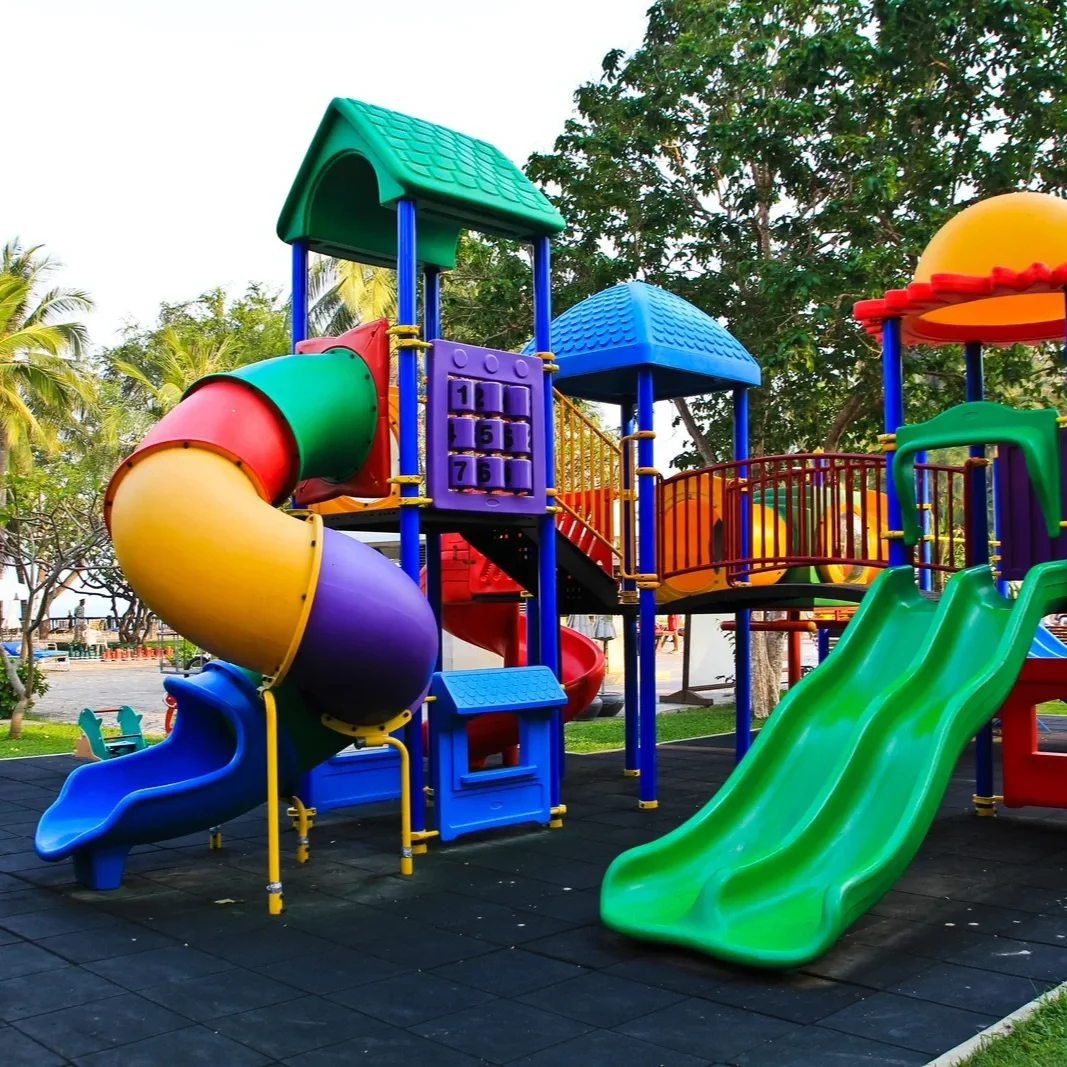
To maintain a playground’s appeal and functionality, it’s essential to focus on long-term safety and accessibility.
Creating a playground that serves the needs of children, parents, and communities is no small feat. A well-designed playground doesn’t just provide fun; it also secures safety, promotes accessibility, and fosters an environment that encourages active play. Over the years, playgrounds have evolved from simple swings and slides into expansive, multifaceted spaces that cater to children of all abilities. To maintain a playground’s appeal and functionality, it’s essential to focus on long-term safety and accessibility.
Safety Surfacing: The Foundation of Every Playground
When it comes to playground design, the surface is a key factor in protecting kids who play on it. Concrete, asphalt, and grass may be common surfaces, but they’re far from ideal for preventing injury. A playground with a soft landing area can substantially reduce the risk of injury from falls, which are among the most common causes of playground accidents. For long-term safety, surfacing options such as rubber mulch, poured-in-place rubber, and synthetic turf are the most effective.
Rubber mulch is a great choice because it’s durable, shock-absorbent, and low-maintenance. It provides a cushioned surface that can absorb the impact of falls, making it an excellent option for playgrounds with climbing structures or high swings. Poured-in-place rubber surfacing offers seamless coverage and can be customized in multiple colors and designs, making it both functional and aesthetically pleasing. This surface also meets the safety standards required by many playground safety organizations, offering both protection and long-term durability.
Synthetic turf is another popular option for playgrounds. It mimics the look of natural grass, offering a soft, shock-absorbing surface that’s easy to maintain. While it’s a great solution for preventing injuries, it’s important to secure proper drainage to prevent water accumulation, which could lead to slippery conditions.
A Safe Playground Layout: Smart Design Choices
A well-thought-out playground layout plays an integral role in safety. Avoiding crowded spaces and providing clear sightlines are simple design elements that can improve safety. Playground equipment should be spaced appropriately to give children enough room to play without the risk of running into one another. When designing a playground, consider the flow of foot traffic and how children will move between different play areas.
Different types of equipment, such as swings, slides, and climbing structures, should be placed in distinct zones. This will help prevent collisions and allow children to play safely without interruption. It’s also essential to make sure that the highest points of climbing structures are not too elevated, as the risk of injury increases with height. Additionally, safety barriers, such as soft fencing or natural landscaping, can help contain play areas and provide added security.
Accessible Design: Making Playgrounds Inclusive for All
Accessibility is a cornerstone of modern playground design. A truly great playground invites children of all abilities to play and interact. Accessible design goes beyond ramps and wider walkways. Thoughtful elements, like sensory-rich features and inclusive play equipment, make a significant difference in how children experience the space.
At a minimum, an accessible playground should include ramps that allow wheelchair users to access all areas easily. It’s not enough to have ramps; they should lead to key play structures, such as slides, swings, and sensory play areas. Ground-level play options are also important for children with mobility challenges, allowing everyone to engage in play without feeling excluded.
Sensory-rich elements like musical instruments, tactile surfaces, and color-rich environments create an interactive playground experience for children with sensory sensitivities. These additions provide opportunities for children to explore different textures, sounds, and colors, engaging their senses in ways that go beyond the physical.
Shade Structures: Protection From the Elements
Shade structures are often overlooked, but they’re critical for both safety and comfort. When playgrounds are designed with large open spaces and minimal shade, children are at risk of heat-related illnesses, including heatstroke and sunburn. A well-placed shade structure can significantly reduce these risks, creating a more comfortable, safer environment for children to play, especially during the hotter months.
Shade structures come in many shapes, sizes, and materials. From large canopies to smaller pergolas, the goal is to provide a cool, shaded space where children can rest or play without direct sunlight. Fabric or tensile shade structures are particularly effective because they offer flexibility and can be easily installed over large areas, protecting both children and playground equipment from UV damage.
In addition to providing sun protection, these structures can enhance the playground's aesthetic, turning it into an inviting space for families to spend time together. A shaded area encourages parents to stay on-site while their children play, allowing for a more enjoyable, relaxed experience for everyone.
Regular Maintenance: Keeping the Playground Safe and Fun
Safety and accessibility are ongoing priorities, not just during the design phase but throughout the playground's life. Routine maintenance is essential to preserve the playground’s functionality and appearance. A well-maintained playground will continue to meet safety standards and provide an enjoyable experience for children year after year.
Safety surfacing, for example, needs regular checks for wear. Rubber mulch may shift, and poured-in-place surfaces can develop cracks. Routine resurfacing or replenishing can help maintain the integrity of these materials. Playground equipment, including swings, slides, and climbing structures, should be inspected for loose bolts, rust, or other potential hazards. In addition, keeping the playground clean and free of debris will make sure that it remains a safe, enjoyable space for play.
Access to water fountains, benches, and trash cans makes the space more user-friendly for parents and caregivers. Accessible restrooms nearby also support inclusivity and make the space more welcoming for all families.
Community Involvement: The Power of Local Support
Creating and maintaining a safe, accessible playground goes beyond just following guidelines and regulations. Community involvement is vital for ensuring long-term success. Engaging parents, local organizations, and volunteers in the design, funding, and upkeep of the playground strengthens its impact and confirms it continues to meet the needs of everyone who uses it. When community members feel invested in the playground, they are more likely to care for it and advocate for its continued use and maintenance.
Final Thoughts
A playground that combines long-term safety, accessibility, and inclusive design offers something for every child, regardless of ability. Safety surfacing, smart layout choices, accessible features, shade structures, and regular maintenance are all essential components of a well-rounded playground. When all of these elements come together, the result is a playground that not only provides hours of fun but also promotes the well-being of children and families for years to come. Investing in these key elements guarantees that a playground remains a vibrant, safe, and welcoming space for everyone who walks through its gates.
Design and build a variety of landscape structures, including playgrounds, shade structures, and safety surfacing across Arizona, with Apex Court Builders. We use cutting-edge equipment to deliver exceptional results. Our team has years of experience and always ensures clear and transparent communication. Call today to schedule an appointment.