
What to Consider Before Adding Exercise Stations to a Public Trail
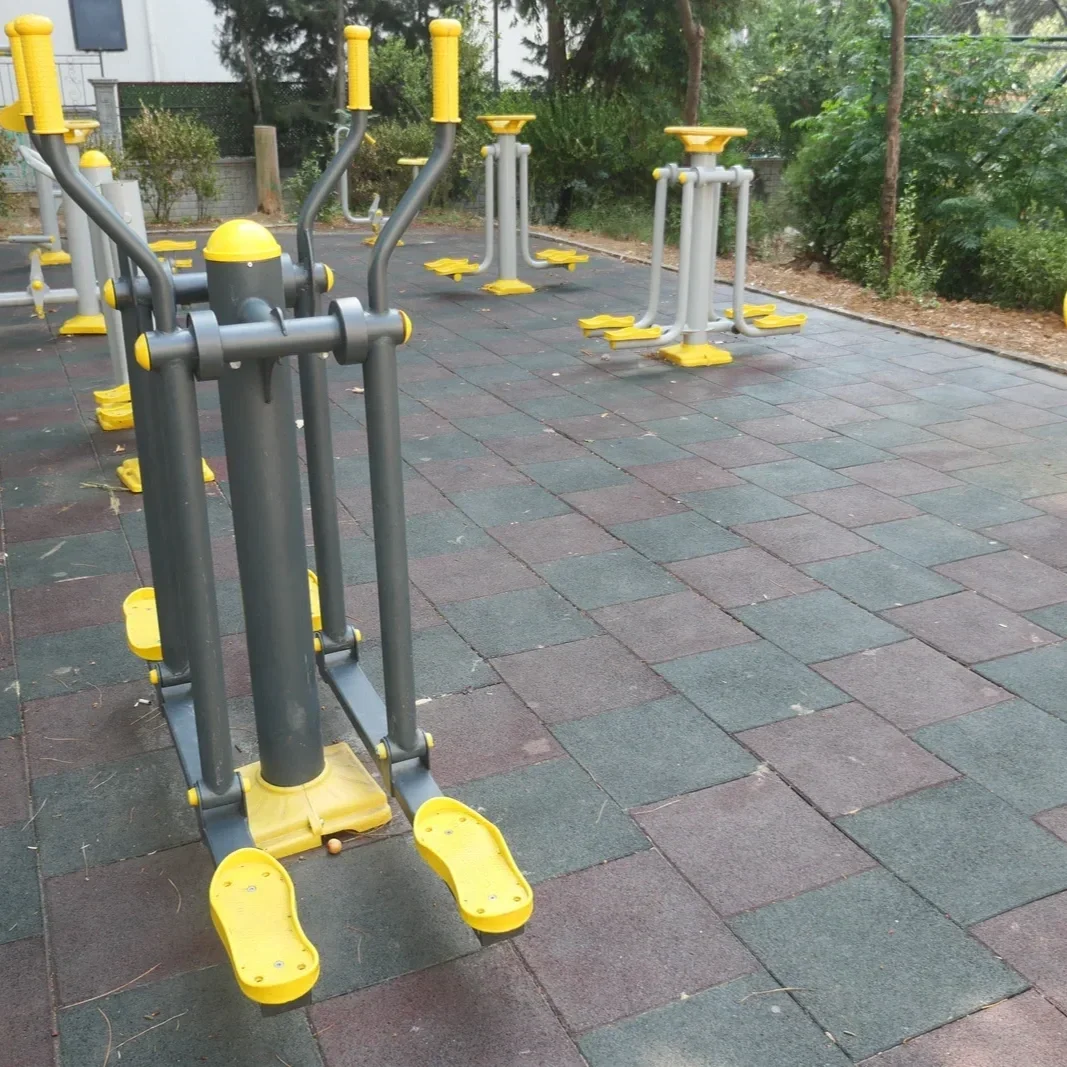
Several factors should be considered, from user accessibility to maintenance concerns, to make sure the addition of exercise equipment is both functional and sustainable.
As more people embrace outdoor fitness routines, incorporating exercise stations along public trails has become an increasingly popular way to promote health and wellness. These stations provide users with convenient opportunities to incorporate strength, flexibility, and cardiovascular exercises while enjoying the great outdoors. However, before adding exercise stations to any public trail, a thoughtful approach is needed to confirm they meet community needs while blending seamlessly into the surrounding environment. Several factors should be considered, from user accessibility to maintenance concerns, to make sure the addition of exercise equipment is both functional and sustainable.
User Accessibility and Safety
Before installing exercise stations along a public trail, the primary consideration should always be user accessibility and safety. Exercise stations must be located in areas that are easily accessible to all users, including those with limited mobility. Keep in mind that public trails see a variety of visitors, from casual walkers and runners to those with specific physical needs. Strategically placing exercise stations in locations accessible from the main trail and with enough space for individuals to use the equipment comfortably can make a big difference in confirming that people of all abilities can benefit from the stations.
Safety is another essential element. Outdoor exercise equipment should be designed with user safety in mind, especially in public spaces where it will be used frequently. The materials used should be durable and non-slip to prevent accidents. Furthermore, safety guidelines and instructions for each station should be clearly displayed so users understand how to use the equipment properly. Thoughtful placement of the equipment—away from high-traffic areas, blind spots, and hazardous terrain—will help reduce the risk of injury.
Weather Resistance and Durability
Exercise stations placed on a public trail must withstand the elements. Weather-resistant materials are crucial for guaranteeing that the equipment remains in good condition and safe to use, regardless of the season. Look for equipment made from high-quality, rust-resistant metals or durable plastics designed to withstand exposure to sun, rain, wind, and snow.
The durability of the equipment goes beyond the materials used. Exercise stations should also be designed with heavy use in mind. Public trails are often frequented by large numbers of people, meaning the equipment will experience wear and tear over time. Proper installation, such as securely anchoring the equipment into the ground, is essential to maintaining the integrity of the stations. Routine maintenance will also help extend the equipment's life and confirm it remains functional and safe for all users.
Space and Layout
When adding exercise stations to a public trail, it's essential to consider the available space and the trail's overall layout. Space is crucial not only for safety but also for the overall user experience. The exercise stations should be spaced so they don't create congestion or block the trail. Ample space between stations will allow users to enjoy the equipment without feeling crowded and make sure there is enough room for different types of exercises, from stretching to strength training.
Moreover, the layout of the equipment should encourage people to engage in a full-body workout rather than just focusing on one area. For example, having a mix of cardio, flexibility, and strength training equipment will provide a balanced workout for users of all fitness levels. Incorporating benches or seating areas near the stations can also provide a space for resting, stretching, or enjoying a post-workout break.
Maintenance and Long-Term Care
Once the equipment is in place, it's important to establish a maintenance plan. Local government agencies or nonprofit organizations often maintain public trails, but it's essential to consider the resources available for upkeep. Regular maintenance is needed to confirm the equipment remains in good condition and free from rust, dirt, or other damage that could make it unsafe to use.
Routine inspections should be conducted to identify any wear that could pose a risk to users. As part of maintenance, damaged or malfunctioning equipment should be repaired or replaced promptly. Additionally, having a local team or volunteers available for regular cleaning and maintenance will help keep the area clean, safe, and inviting for users.
Community Involvement and Feedback
Before installing exercise stations, it's important to engage with the community to understand their needs and preferences. Gathering input from local residents or fitness enthusiasts can offer valuable insights into the types of equipment most beneficial to the public. A community survey or public meeting can give you a better idea of what exercises people are interested in and whether there is demand for specific equipment or features, such as stretching areas or climbing structures.
Incorporating community feedback also fosters a sense of ownership and pride among local residents. When people feel that they have had a voice in the development of public spaces, they are more likely to take care of the area and use the equipment regularly. Involving the community can also lead to partnerships that support the project's long-term success, from local sponsorships to volunteer maintenance efforts.
Budget Considerations
Adding exercise stations to a public trail is a significant investment, so it's important to consider the project's budget carefully. The cost of the equipment itself, installation, and ongoing maintenance must all be factored into the budget. Additionally, there may be costs associated with ensuring the exercise stations meet safety standards, such as providing clear signage and accessibility features.
However, while there are initial costs, the long-term benefits of installing exercise stations in public spaces—such as promoting health and wellness, increasing foot traffic in the area, and improving the community's overall quality of life—can outweigh the investment. Additionally, as mentioned earlier, community involvement can help lower costs through donations or volunteer efforts.
Environmental Impact and Integration
Public trails are often located in natural settings, so it's essential to consider the environmental impact of installing exercise stations. The equipment should be designed to blend with the natural landscape and not detract from the beauty of the area. Moreover, any construction or installation activities should be mindful of local wildlife and ecosystems.
Using eco-friendly materials and opting for equipment that minimizes environmental impact can help integrate the exercise stations more seamlessly into the surroundings. For example, incorporating recycled materials, minimizing concrete use, and ensuring that the equipment is designed to have a minimal impact on the local environment can make the project more sustainable.
Conclusion
Adding exercise stations to a public trail is a fantastic way to encourage physical activity and provide a valuable resource for the community. However, careful planning is required to make sure that the stations are accessible, safe, durable, and well-maintained. By considering factors such as user safety, equipment durability, space layout, and community involvement, you can create an outdoor fitness experience that is both enjoyable and sustainable. With the right approach, exercise stations can become a vibrant part of the public trail, promoting healthier lifestyles and enhancing the community's connection to the outdoors.
Apex Court Builders has a team of experienced and knowledgeable technicians for providing permanent outdoor furnishings, workout play equipment, and bleachers services for residents across Arizona. Our team helps clients make the best decisions and provide valuable tips to protect their investment. We ensure 100% customer satisfaction. Call today to learn more.