
What Sets Commercial Playground Surfacing Apart From DIY Options
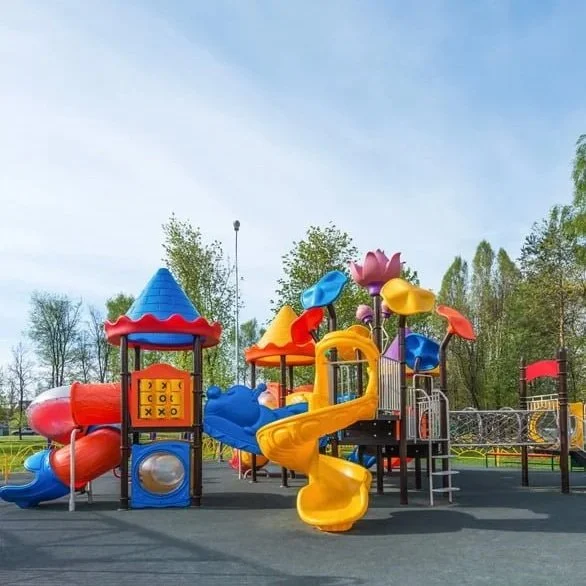
While DIY surfacing options may seem tempting, commercial playground surfacing offers several advantages that go beyond what can typically be achieved with a DIY approach.
When it comes to building or upgrading a playground, one of the most important decisions is selecting the right surfacing. The right surface guarantees both safety and durability, providing children with a place to play while extending the life of the playground. While DIY surfacing options may seem tempting, commercial playground surfacing offers several advantages that go beyond what can typically be achieved with a DIY approach.
Safety Comes First
Commercial playground surfacing is designed with one primary focus in mind: safety. This surfacing meets stringent safety standards, including fall height requirements, shock absorption, and impact protection. Playground equipment is often elevated, and children will inevitably take a tumble from time to time. Proper surfacing helps reduce the risk of injury when these falls happen.
While DIY options like wood chips, gravel, or rubber mats may provide some level of cushioning, they rarely meet the rigorous standards set by safety guidelines. For example, wood chips can shift over time, creating uneven surfaces that lead to trip hazards, while gravel can be uncomfortable to land on. Commercial surfacing options, such as poured-in-place rubber, safety tiles, or synthetic turf, are designed to provide consistent and reliable impact protection, meeting the necessary fall height and safety criteria.
Durability for Long-Term Use
Playgrounds experience a lot of wear, especially in high-traffic areas. Whether it’s the constant foot traffic, exposure to weather elements, or the impact of playground equipment, durability is key when selecting surfacing. Commercial playground surfacing materials are engineered for longevity, designed to withstand harsh weather conditions, high usage, and UV exposure without deteriorating.
DIY surfacing options, on the other hand, often fall short in terms of durability. Wood chips, for example, can deteriorate quickly due to rain or snow, requiring constant replenishment. Rubber mats may crack over time, leaving uneven surfaces that could become unsafe. Commercial surfacing options, however, last much longer, saving time and money on ongoing maintenance and replacement costs.
Maintenance and Longevity
Maintaining a playground is important, and while DIY surfacing might seem low-maintenance at first, it can quickly become more work than expected. Wood chips require regular raking, replenishment, and shifting to prevent them from becoming compacted or displaced. Gravel requires frequent leveling, and rubber mats can easily become worn or damaged with constant use. Over time, these materials can also accumulate dirt, bacteria, or mold, which poses an additional cleaning challenge.
Commercial playground surfacing, on the other hand, is designed with minimal upkeep in mind. High-quality options, such as poured-in-place rubber or interlocking tiles, require very little maintenance once installed. Some materials may require occasional cleaning, but their durability and low-maintenance nature make them a much easier option for schools, parks, or recreational facilities.
Accessibility for All
An important consideration when choosing playground surfacing is accessibility. All children, regardless of their physical abilities, should have access to safe and fun play spaces. Commercial surfacing options often prioritize accessibility by providing smooth, level surfaces that are ideal for children using wheelchairs or mobility devices. This is a critical feature in making playgrounds inclusive and accessible for all children.
DIY surfacing options, such as gravel or mulch, can create barriers for children with mobility challenges. Uneven surfaces or loose materials can make it difficult for children to navigate safely. Commercial-grade surfaces, such as poured-in-place rubber or synthetic turf, offer a smooth and stable foundation that allows everyone to access the play area.
Aesthetic Appeal and Customization
While safety and durability are the primary considerations when selecting surfacing for a playground, the aesthetic aspect also plays a role. A well-designed playground should be visually engaging and create an inviting atmosphere for children. Commercial playground surfacing offers a range of colors, patterns, and designs that can be customized to match the theme of the playground, school, or park.
From vibrant color schemes to custom logos or patterns, commercial surfacing can help create a cohesive design that enhances the playground experience. Whether you want to match the surfacing to the surrounding landscape or create a fun, whimsical play area, commercial options offer a level of customization that DIY materials can’t match.
Environmental Benefits
As sustainability becomes a more important factor in construction, many commercial playground surfacing materials are designed with eco-friendliness in mind. Recycled materials, such as shredded tires or recycled rubber, are commonly used in products like poured-in-place rubber or rubber tiles. These materials help reduce waste and add to a more sustainable playground.
DIY surfacing options, such as gravel or wood chips, can be less environmentally friendly. Gravel may need to be quarried, a resource-intensive process, while wood chips are derived from trees, which contributes to deforestation. In contrast, commercial-grade surfacing options help divert waste from landfills and provide a more sustainable alternative.
Cost-Effectiveness in the Long Run
The initial cost of commercial playground surfacing may be higher than DIY options, but over time, the investment pays off. With their durability, minimal maintenance needs, and longer lifespan, commercial surfacing options save money in the long run. DIY materials often require ongoing upkeep, replacement, and repair, resulting in higher maintenance costs. Additionally, the consistent safety and quality of commercial surfacing reduce the risk of injury-related lawsuits or accidents, offering peace of mind to facility owners and caretakers.
The upfront cost of a DIY approach might seem appealing. Still, once the hidden costs of maintenance, replacement, and potential safety issues are considered, it often makes more sense to invest in a commercial solution. Long-term reliability, safety, and cost-effectiveness make commercial playground surfacing the superior choice.
Meeting Legal and Safety Standards
Lastly, one of the most critical differences between DIY and commercial playground surfacing is compliance with legal and safety standards. Playgrounds, particularly those in public spaces such as schools and parks, are subject to strict safety regulations. Commercial surfacing options are designed and tested to meet or exceed these standards, making sure that the playground stays a safe environment for children.
DIY surfacing may not meet these legal requirements and could expose you to liability. By choosing commercial surfacing, you can rest assured that the material used meets the necessary safety codes and provides the protection required for children to play safely.
Final Thoughts
While DIY surfacing may initially offer a quick and cost-effective solution, commercial playground surfacing provides long-term value through enhanced safety, durability, accessibility, and minimal maintenance. With a focus on meeting legal standards and creating an inclusive, vibrant space for children to play, commercial options provide a much more reliable and efficient way to create a lasting, enjoyable playground. Investing in high-quality commercial surfacing is an investment in the overall safety and enjoyment of the play area, making it the clear choice for playgrounds and recreational spaces.
Design and build a variety of landscape structures, including playgrounds, shade structures, and safety surfacing across Arizona, with Apex Court Builders. We use cutting-edge equipment to deliver exceptional results. Our team has years of experience and always ensures clear and transparent communication. Call today to schedule an appointment.