
What Court Installations Bring to Residential Communities
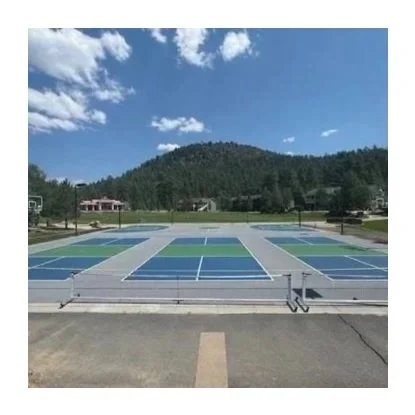
From boosting property values to fostering a stronger sense of community, the benefits of these recreational spaces are numerous and undeniable.
Creating an inviting and active environment in residential communities goes far beyond well-manicured lawns and tidy streets. Incorporating recreational facilities, such as tennis, pickleball, or basketball courts, can truly elevate the community experience. Homeowners’ associations (HOAs) and community associations are increasingly investing in these court installations to enhance their residents’ quality of life. From boosting property values to fostering a stronger sense of community, the benefits of these recreational spaces are numerous and undeniable.
Active Lifestyles and Healthier Residents
In today’s world, maintaining an active lifestyle is more important than ever. For many residents, having a convenient place to engage in physical activity is a game-changer. Courts within residential communities make it easy for people to enjoy tennis, pickleball, or basketball without leaving the neighborhood. These sports provide great cardiovascular benefits while also improving coordination, strength, and flexibility.
Having recreational spaces in the immediate vicinity promotes a healthier lifestyle by encouraging residents to get outside and engage in physical activities. Whether it’s a friendly match with neighbors or a quick solo workout, these courts offer an accessible way for everyone, from families to retirees, to stay active and enjoy the benefits of regular exercise.
Increased Property Values
A well-maintained recreational court can significantly impact property values in a community. Homebuyers are increasingly seeking amenities that promote a healthy lifestyle and add value to their homes. Courts for tennis, pickleball, or basketball are attractive features that make a community more appealing to potential buyers. In fact, studies have shown that homes within walking distance of high-quality amenities, like athletic courts, tend to sell faster and for higher prices than those in communities without such amenities.
For existing homeowners, these courts can also add value by offering an attractive, fun, and convenient space for recreation. Whether residents use the courts daily or just occasionally, they’re likely to see the benefits reflected in their overall living experience and, ultimately, in their home’s market value.
Building Community Connections
One of the greatest advantages of having recreational courts in residential communities is the way they bring neighbors together. Sports have a unique way of fostering interaction and connection among people. Whether it’s an organized community event or impromptu games, courts provide a space where residents can bond over shared interests and healthy competition.
In addition to casual gatherings, community events centered on sports, such as tournaments or family-friendly activities, can help residents meet new people and strengthen relationships with neighbors. This sense of belonging is especially important in today’s busy world, where it can be challenging to form connections in larger cities. The presence of courts can turn a simple game into an opportunity for socialization, making neighborhoods feel more like a community.
Convenience and Accessibility
One of the major advantages of court installations in residential communities is the convenience they offer. For residents, having a high-quality athletic court just a short walk or drive away is a huge benefit. Instead of having to travel to a far-off gym or sports complex, residents can easily access the courts right within their own neighborhood.
This level of convenience encourages people to use the courts more regularly, making it easier for families to spend time together, for friends to meet up for a game, and for individuals to incorporate exercise into their daily routines. Additionally, the close proximity of these courts appeals to people of all ages, from children to seniors, offering everyone the chance to stay active without leaving the neighborhood.
Aesthetic Appeal and Space Optimization
Well-designed courts can also enhance the aesthetic appeal of a residential community. Whether they are surrounded by lush landscaping or incorporated into existing parks, courts can add a touch of elegance and purpose to open spaces. Well-placed courts create areas for both active recreation and relaxation, offering a balanced combination of functionality and beauty.
Furthermore, courts help maximize the use of open spaces. In communities where land is limited, having multi-functional spaces that serve as both recreational areas and social hubs is a smart way to make the most out of the available property. Courts do not require large amounts of land, making them a practical addition to residential developments, even in smaller spaces.
Attracting a Diverse Range of Residents
Residential communities with athletic courts naturally attract a more diverse range of residents. Families with children, active retirees, and sports enthusiasts of all kinds appreciate having a place to play and socialize without leaving the community. These amenities contribute to a more dynamic and varied neighborhood, fostering inclusivity and attracting people from different walks of life. Courts serve as a place where people of all ages and interests can meet, creating a well-rounded and vibrant community.
Long-Term Cost Savings
While the initial investment in building courts may seem daunting, the long-term cost savings for a community are significant. Courts can often be maintained at a relatively low cost compared to other types of amenities, such as swimming pools or gyms. They also don’t require costly ongoing utilities, such as water and electricity. The durability of modern court surfaces, such as acrylic or synthetic turf, reduces the need for frequent repairs, making them a practical choice for communities looking to minimize maintenance costs.
In addition to reducing maintenance and utility costs, courts also minimize the need for residents to pay for expensive gym memberships or travel to outside recreational facilities. As more people opt for home-based workouts and local leisure activities, the availability of community courts provides a significant cost-saving alternative to other forms of recreation.
Year-Round Usage and Flexibility
Tennis, pickleball, and basketball courts are often built to accommodate year-round play. With the right materials and construction, courts can withstand varying weather conditions, allowing residents to enjoy sports year-round. Additionally, these courts are adaptable for different sports, offering residents the flexibility to switch between tennis, pickleball, basketball, and even volleyball, depending on what the community prefers.
Such flexibility means that there’s always something for everyone. Even if the weather isn’t perfect for tennis, a basketball game, or a fun round of pickleball can keep the courts busy and entertaining. With the right design, these courts can be a long-lasting and valuable addition to the neighborhood, offering residents year-round recreation.
Conclusion
Court installations in residential communities offer far more than just a place to play. They improve residents’ physical and mental well-being, provide social opportunities, enhance property values, and help maximize the use of shared spaces. For HOAs and community associations, investing in high-quality courts is a win for everyone—from the families who will enjoy them to the neighbors who’ll find a stronger sense of connection. These courts don’t just create spaces for play; they create spaces for building relationships, fostering activity, and enhancing the community's overall quality of life.
Apex Court Builders specialize in constructing new tennis courts, pickleball courts, basketball courts, bocce courts, and padel courts across Arizona. Ours is a family-owned and operated business, committed to designing and building world-class courts. We follow the industry best practices and deliver lasting results. Call today to request a free estimate.